
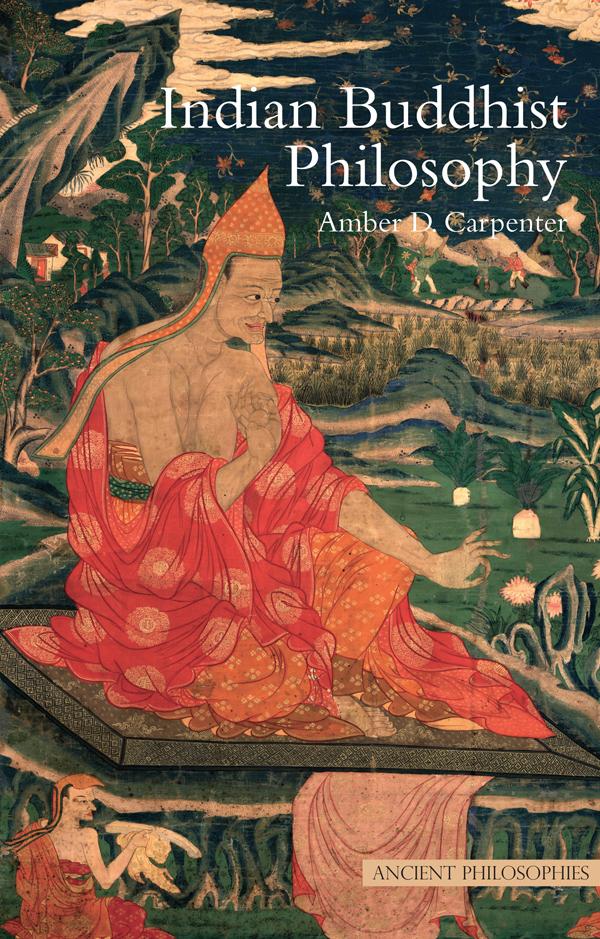
Organised in broadly chronological terms, this book presents the philosophical arguments of the great Indian Buddhist philosophers of the fifth century BCE to the eighth century CE. Each chapter examines their core ethical, metaphysical and epistemological views as well as the distinctive area of Buddhist ethics that we call today moral psychology. Throughout, this book follows three key themes that both tie the tradition together and are the focus for most critical dialogue: the idea of anatman or no-self, the appearance/reality distinction and the moral aim, or ideal. Indian Buddhist philosophy is shown to be a remarkably rich tradition that deserves much wider engagement from European philosophy. Carpenter shows that while we should recognise the differences and distances between Indian and European philosophy, its driving questions and key conceptions, we must resist the temptation to find in Indian Buddhist philosophy, some Other, something foreign, self-contained and quite detached from anything familiar. Indian Buddhism is shown to be a way of looking at the world that shares many of the features of European philosophy and considers themes central to philosophy understood in the European tradition.
Paga facilmente con carta, Klarna, Apple Pay o Google Pay. Non sei soddisfatto? Hai sempre 14 giorni per il rimborso. Leggi di più nei nostri termini. Per qualsiasi domanda, scrivici a hello@memmo.org.
Memmo rende lo studio più facile, ovunque tu sia nel mondo. Qui trovi i tuoi libri di testo e strumenti di studio intelligenti, tutto in un unico posto: riassunti, quiz, podcast e flashcard. E poi c'è Ted, il tuo compagno di studio che risponde a ogni tua domanda. Oltre 50.000 studenti studiano già qui: è stato creato per aiutarti a imparare più velocemente e a stressarti meno.
Potrebbe interessarti anche
Acquista il libro0