
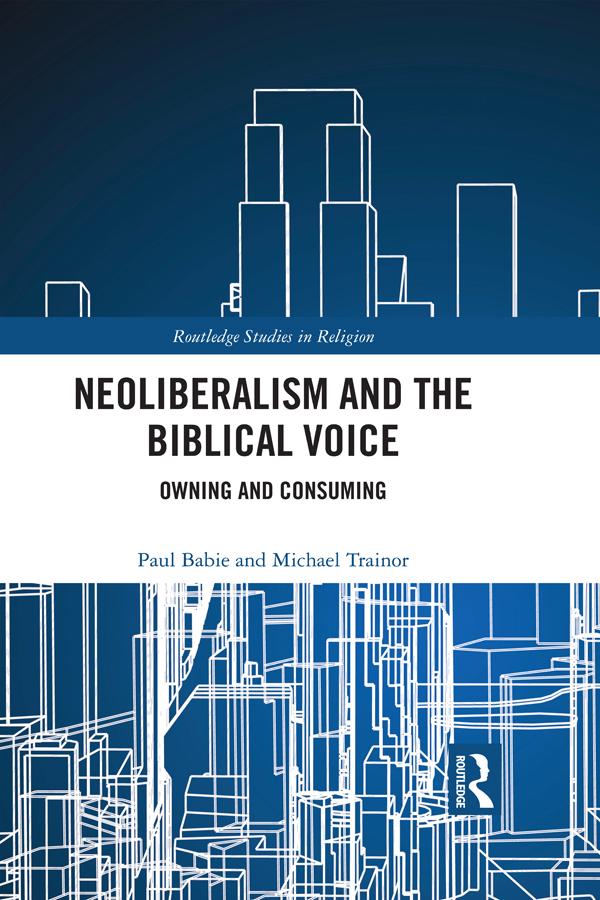
This book compares our contemporary preoccupation with ownership and consumption with the role of property and possessions in the biblical world, contending that Christian theology provides a valuable entry point to discussing the issue of private property—a neoliberal tool with the capacity to shape the world in which we live by exercising control over the planet’s resources.
Babie and Trainor draw on the teaching on property and possessions of Jesus of Nazareth. They demonstrate how subsequent members of the Jesus movement—the writers of early collection of Jesus sayings (called ‘Q’), and the gospels of Mark and Luke—reformulated Jesus’ teaching for different contexts that was radical and challenging for their own day. Their view of wealth and possessions continues today to be as relevant as ever. By placing the insights of the Galilean Jesus and the early Jesus movement into conversation with contemporary views on private property and consumer culture, the authors develop legal, philosophical and theological insights, what they describe as ‘seven theses’, into how our desire for ethical living fares in the neoliberal marketplace.
Paga facilmente con carta, Klarna, Apple Pay o Google Pay. Non sei soddisfatto? Hai sempre 14 giorni per il rimborso. Leggi di più nei nostri termini. Per qualsiasi domanda, scrivici a hello@memmo.org.
Memmo rende lo studio più facile, ovunque tu sia nel mondo. Qui trovi i tuoi libri di testo e strumenti di studio intelligenti, tutto in un unico posto: riassunti, quiz, podcast e flashcard. E poi c'è Ted, il tuo compagno di studio che risponde a ogni tua domanda. Oltre 50.000 studenti studiano già qui: è stato creato per aiutarti a imparare più velocemente e a stressarti meno.