
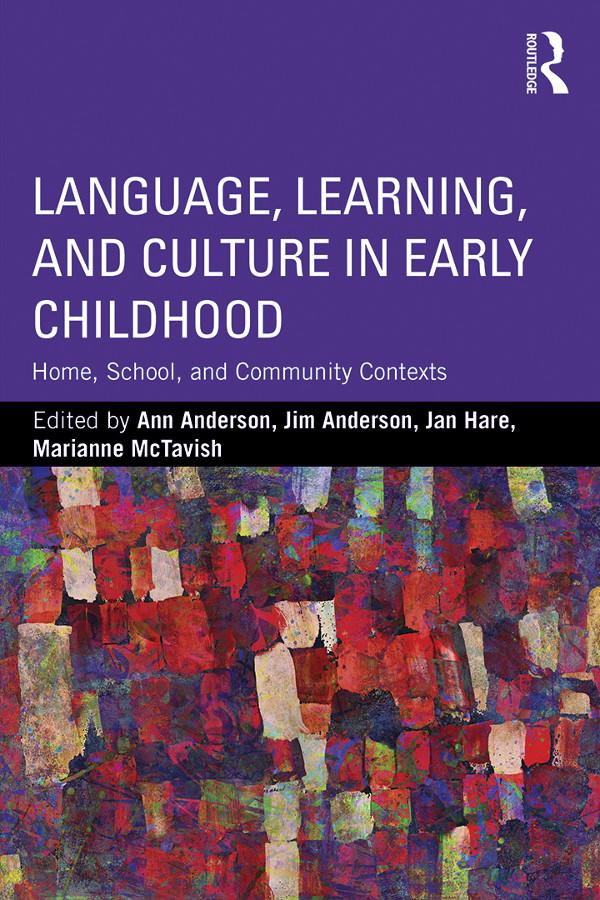
Complex factors affect young children and their families in today’s increasingly diverse world characterized by globalization, the transnational movement of people, and neo-liberal government policies in western and industrialized countries. This book focuses on three of these factors—culture, language and learning—and how they affect children’s development and learning in the context of their communities, families and schools. Taking an ecological perspective, it challenges normative and hegemonic views of young children’s language, literacy and numeracy development and offers examples of demonstrated educational practices that acknowledge and build on the knowledge that children develop and learn in culturally specific ways in their homes and communities.
The authors highlight issues and perspectives that are particular to Indigenous people who have been subjected to centuries of assimilationist and colonialist policies and practices, and the importance of first or home language maintenance and its cognitive, cultural, economic, psychological and social benefits. Links are provided to a package of audio-video resources (http://blogs.ubc.ca/intersectionworkshop/) including key note speeches and interviews with leading international scholars, and a collection of vignettes from the workshop from which this volume was produced .
Paga facilmente con carta, Klarna, Apple Pay o Google Pay. Non sei soddisfatto? Hai sempre 14 giorni per il rimborso. Leggi di più nei nostri termini. Per qualsiasi domanda, scrivici a hello@memmo.org.
Memmo rende lo studio più facile, ovunque tu sia nel mondo. Qui trovi i tuoi libri di testo e strumenti di studio intelligenti, tutto in un unico posto: riassunti, quiz, podcast e flashcard. E poi c'è Ted, il tuo compagno di studio che risponde a ogni tua domanda. Oltre 50.000 studenti studiano già qui: è stato creato per aiutarti a imparare più velocemente e a stressarti meno.