
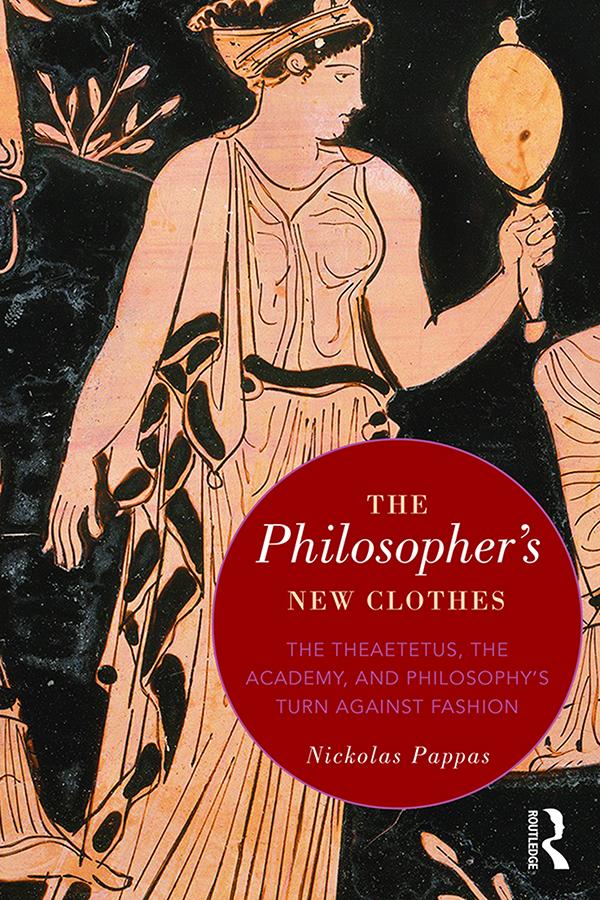
This book takes a new approach to the question, "Is the philosopher to be seen as universal human being or as eccentric?". Through a reading of the Theaetetus, Pappas first considers how we identify philosophers – how do they appear, in particular how do they dress? The book moves to modern philosophical treatments of fashion, and of "anti-fashion". He argues that aspects of the fashion/anti-fashion debate apply to antiquity, indeed that nudity at the gymnasia was an anti-fashion. Thus anti-fashion provides a way of viewing ancient philosophy’s orientation toward a social world in which, for all its true existence elsewhere, philosophy also has to live.
Paga facilmente con carta, Klarna, Apple Pay o Google Pay. Non sei soddisfatto? Hai sempre 14 giorni per il rimborso. Leggi di più nei nostri termini. Per qualsiasi domanda, scrivici a hello@memmo.org.
Memmo rende lo studio più facile, ovunque tu sia nel mondo. Qui trovi i tuoi libri di testo e strumenti di studio intelligenti, tutto in un unico posto: riassunti, quiz, podcast e flashcard. E poi c'è Ted, il tuo compagno di studio che risponde a ogni tua domanda. Oltre 50.000 studenti studiano già qui: è stato creato per aiutarti a imparare più velocemente e a stressarti meno.