
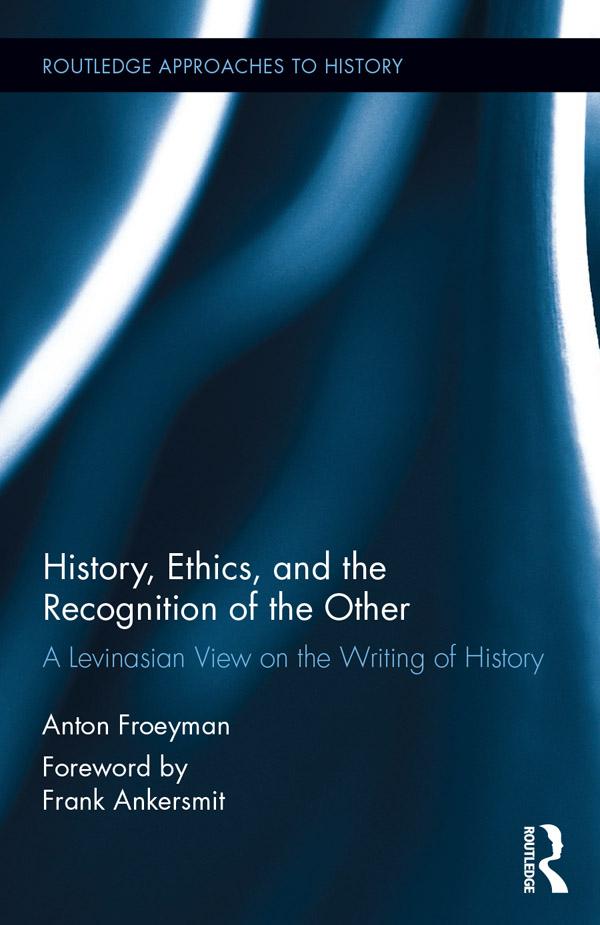
This book introduces a new way of looking at the writing of history. Rather than as the production of knowledge or the telling of stories, it sees writing history as an ethical, existential and emotional engagement with the people from the past. The conceptual and philosophical basis for this view is provided by the philosophy of Emmanuel Levinas. In the first part, the view is presented and contrasted with other, competing views, such as those of Hans-Georg Gadamer and Michel Foucault. In the second part, the view is argued for, most importantly by an in-depth discussion of one specific tradition of history-writing (microhistory), and a series of close readings of several classical works from the history of historiography. The third part, finally, explores some of the methodological consequences of this view, and applies it to a non-academic way of dealing with the past, namely historical performance practice in music. The book features a foreword by Frank Ankersmit.
Paga facilmente con carta, Klarna, Apple Pay o Google Pay. Non sei soddisfatto? Hai sempre 14 giorni per il rimborso. Leggi di più nei nostri termini. Per qualsiasi domanda, scrivici a hello@memmo.org.
Memmo rende lo studio più facile, ovunque tu sia nel mondo. Qui trovi i tuoi libri di testo e strumenti di studio intelligenti, tutto in un unico posto: riassunti, quiz, podcast e flashcard. E poi c'è Ted, il tuo compagno di studio che risponde a ogni tua domanda. Oltre 50.000 studenti studiano già qui: è stato creato per aiutarti a imparare più velocemente e a stressarti meno.