
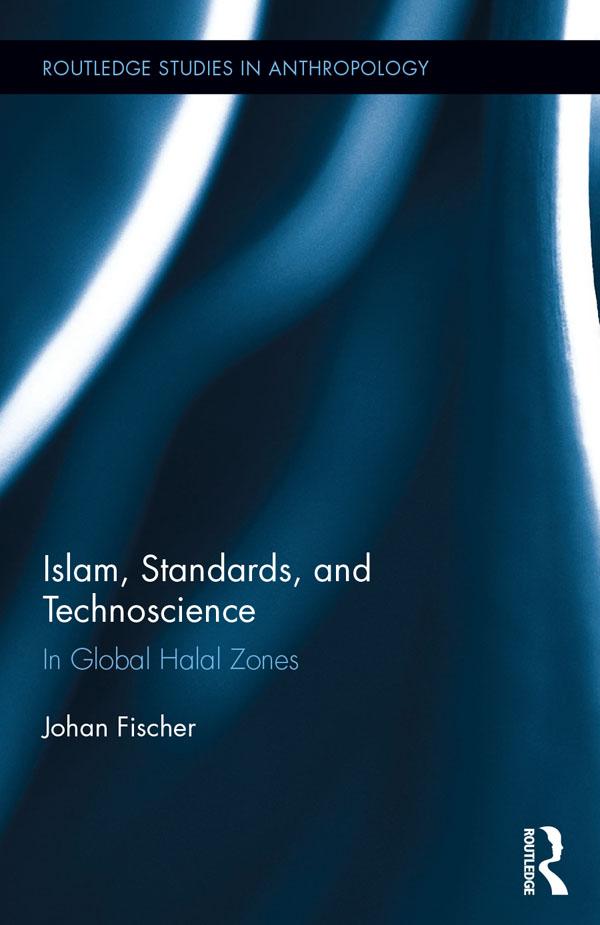
Halal (literally, "permissible" or "lawful") production, trade, and standards have become essential to state-regulated Islam and to companies in contemporary Malaysia and Singapore, giving these two countries a special position in the rapidly expanding global market for halal products: in these nations state bodies certify halal products as well as spaces (shops, factories, and restaurants) and work processes, and so consumers can find state halal-certified products from Malaysia and Singapore in shops around the world. Building on ethnographic material from Malaysia, Singapore, and Europe, this book provides an exploration of the role of halal production, trade, and standards. Fischer explains how the global markets for halal comprise divergent zones in which Islam, markets, regulatory institutions, and technoscience interact and diverge. Focusing on the "bigger institutional picture" that frames everyday halal consumption, Fischer provides a multisited ethnography of the overlapping technologies and techniques of production, trade, and standards that together warrant a product as "halal," and thereby help to format the market. Exploring global halal in networks, training, laboratories, activism, companies, shops and restaurants, this book will be an essential resource to scholars and students of social science interested in the global interface zones between religion, standards, and technoscience.
Paga facilmente con carta, Klarna, Apple Pay o Google Pay. Non sei soddisfatto? Hai sempre 14 giorni per il rimborso. Leggi di più nei nostri termini. Per qualsiasi domanda, scrivici a hello@memmo.org.
Memmo rende lo studio più facile, ovunque tu sia nel mondo. Qui trovi i tuoi libri di testo e strumenti di studio intelligenti, tutto in un unico posto: riassunti, quiz, podcast e flashcard. E poi c'è Ted, il tuo compagno di studio che risponde a ogni tua domanda. Oltre 50.000 studenti studiano già qui: è stato creato per aiutarti a imparare più velocemente e a stressarti meno.