
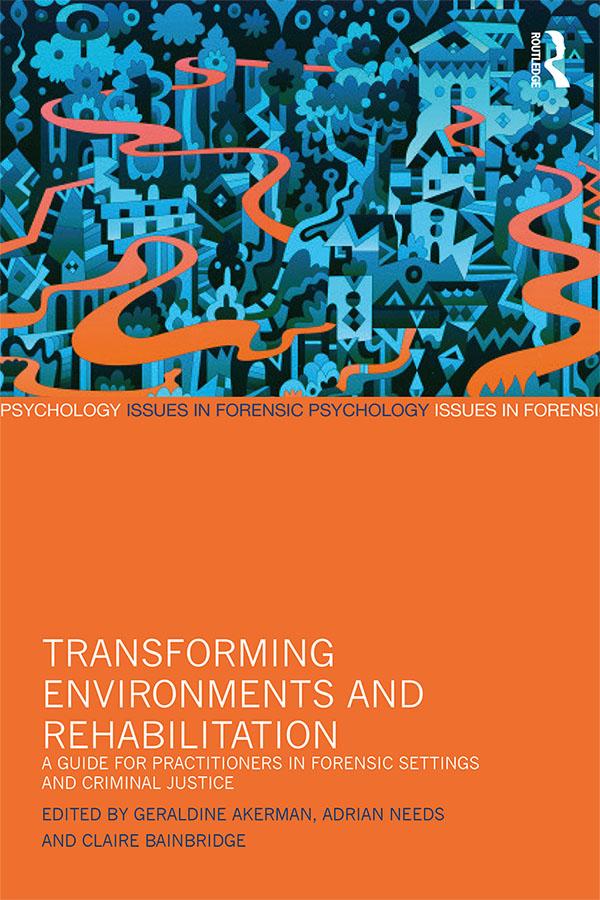
How can environments play a role in assisting and sustaining personal change in individuals incarcerated within the criminal justice system? Can a failure to address contextual issues reduce or undermine the effectiveness of clinical intervention? Bringing together a range of leading forensic psychologists, this book explores and illustrates inter-relationships between interventions and the environment in which they take place.
This book examines how the environment can be better utilised to contribute to processes of change and how therapeutic principles and practices can be more strongly embedded through being applied in supportive, facilitative environments. In addition, it expands on emerging conceptualisations of how psychological functioning and environmental context are inextricably linked and offers an alternative to prevailing intrapsychic or ‘essentialist’ views of areas such as personality and cognition.
Providing new and challenging insights and perspectives on issues of central relevance to forensic psychology and related disciplines, this book contributes to the development of innovative and unifying directions for research, practice and theory. This book will be an essential resource for those who work with or intend to work with offenders, particularly practitioners, researchers and students in the fields of psychology, criminology, psychiatry, psychotherapy and social work.
Paga facilmente con carta, Klarna, Apple Pay o Google Pay. Non sei soddisfatto? Hai sempre 14 giorni per il rimborso. Leggi di più nei nostri termini. Per qualsiasi domanda, scrivici a hello@memmo.org.
Memmo rende lo studio più facile, ovunque tu sia nel mondo. Qui trovi i tuoi libri di testo e strumenti di studio intelligenti, tutto in un unico posto: riassunti, quiz, podcast e flashcard. E poi c'è Ted, il tuo compagno di studio che risponde a ogni tua domanda. Oltre 50.000 studenti studiano già qui: è stato creato per aiutarti a imparare più velocemente e a stressarti meno.