
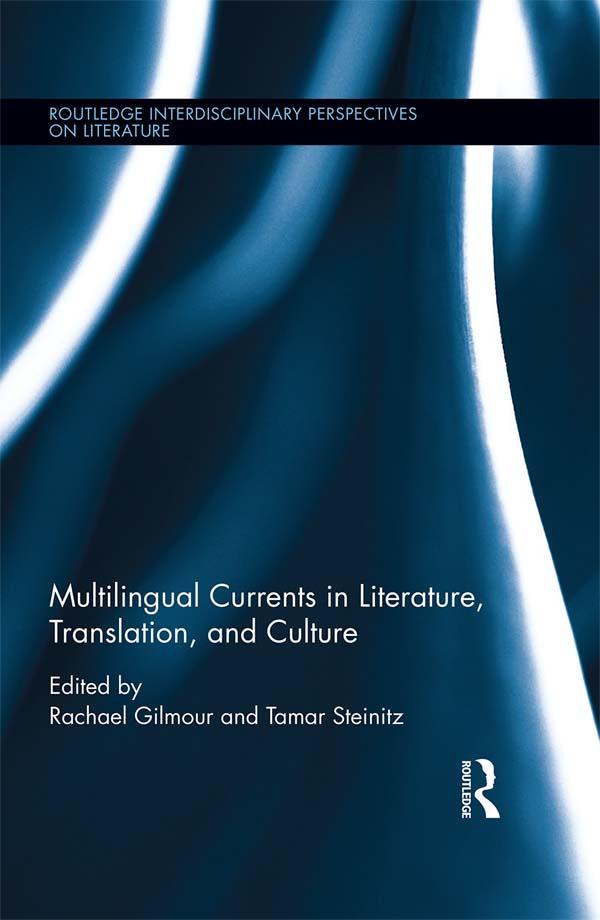
At a time increasingly dominated by globalization, migration, and the clash between supranational and ultranational ideologies, the relationship between language and borders has become more complicated and, in many ways, more consequential than ever. This book shows how concepts of ‘language’ and ‘multilingualism’ look different when viewed from Belize, Lagos, or London, and asks how ideas about literature and literary form must be remade in a contemporary cultural marketplace that is both linguistically diverse and interconnected, even as it remains profoundly unequal. Bringing together scholars from the fields of literary studies, applied linguistics, publishing, and translation studies, the volume investigates how multilingual realities shape not only the practice of writing but also modes of literary and cultural production. Chapters explore examples of literary multilingualism and their relationship to the institutions of publishing, translation, and canon-formation. They consider how literature can be read in relation to other multilingual and translational forms of contemporary cultural circulation and what new interpretative strategies such developments demand. In tracing the multilingual currents running across a globalized world, this book will appeal to the growing international readership at the intersections of comparative literature, world literature, postcolonial studies, literary theory and criticism, and translation studies.
Paga facilmente con carta, Klarna, Apple Pay o Google Pay. Non sei soddisfatto? Hai sempre 14 giorni per il rimborso. Leggi di più nei nostri termini. Per qualsiasi domanda, scrivici a hello@memmo.org.
Memmo rende lo studio più facile, ovunque tu sia nel mondo. Qui trovi i tuoi libri di testo e strumenti di studio intelligenti, tutto in un unico posto: riassunti, quiz, podcast e flashcard. E poi c'è Ted, il tuo compagno di studio che risponde a ogni tua domanda. Oltre 50.000 studenti studiano già qui: è stato creato per aiutarti a imparare più velocemente e a stressarti meno.