
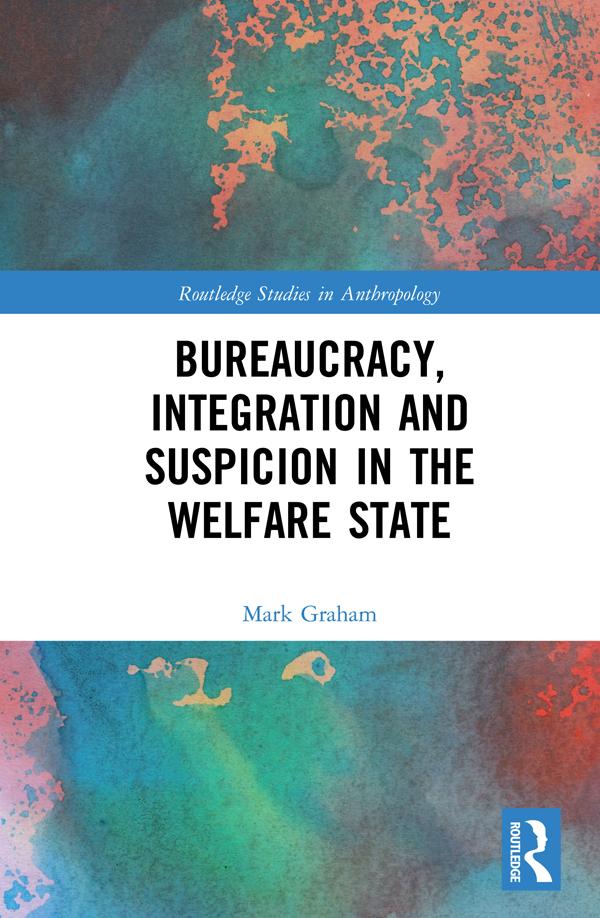
This book explores how the often well-meaning routines and assumptions of a generous welfare state can reflect and even contribute to the stigmatisation of refugees and Muslims in Europe today. While the main cases are from Sweden, examples are included from the UK, France, Switzerland, Germany and the Netherlands. Mark Graham examines how suspicion is woven into the fabric of welfare bureaucracies with potential adverse consequences for the people they serve. He complicates our understanding of what Islamophobia means, and how it is expressed and created, by exploring contexts in which the logic of "othering" Muslims operates, but where explicit Islamophobia itself is absent. The book starts with Swedish public-sector bureaucracies and attempts by staff to make sense of Muslim refugee clients with categories and models that reappear in wider society. It goes on to explore the logic of integration policies, official concepts of culture, Swedish multiculturalism, educational strategies in schools, and debates surrounding "genuine" and "false" refugees. In all cases, the homologies between these different socio-cultural domains are explored.
Paga facilmente con carta, Klarna, Apple Pay o Google Pay. Non sei soddisfatto? Hai sempre 14 giorni per il rimborso. Leggi di più nei nostri termini. Per qualsiasi domanda, scrivici a hello@memmo.org.
Memmo rende lo studio più facile, ovunque tu sia nel mondo. Qui trovi i tuoi libri di testo e strumenti di studio intelligenti, tutto in un unico posto: riassunti, quiz, podcast e flashcard. E poi c'è Ted, il tuo compagno di studio che risponde a ogni tua domanda. Oltre 50.000 studenti studiano già qui: è stato creato per aiutarti a imparare più velocemente e a stressarti meno.