
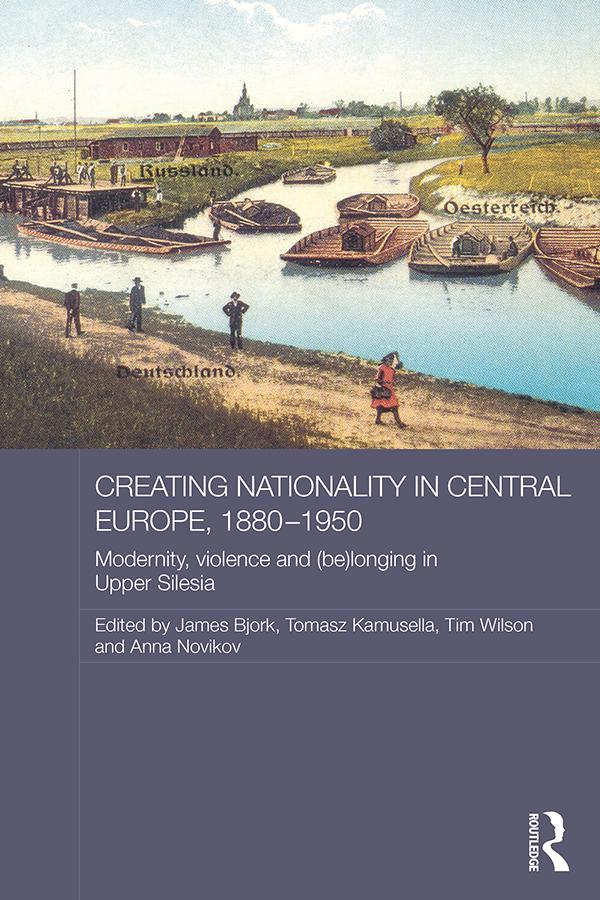
In the immediate aftermath of the First World War, Upper Silesia was the site of the largest formal exercise in self-determination in European history, the 1921 Plebiscite. This asked the inhabitants of Europe’s second largest industrial region the deceptively straightforward question of whether they preferred to be Germans or Poles, but spectacularly failed to clarify their national identity, demonstrating instead the strength of transnational, regionalist and sub-national allegiances, and of allegiances other than nationality, such as religion. As such Upper Silesia, which was partitioned and re-partitioned between 1922 and 1945, and subjected to Czechization, Germanization, Polonization, forced emigration, expulsion and extermination, illustrates the limits of nation-building projects and nation-building narratives imposed from outside. This book explores a range of topics related to nationality issues in Upper Silesia, putting forward the results of extensive new research. It highlights the flaws at the heart of attempts to shape Europe as homogenously national polities and compares the fate of Upper Silesia with the many other European regions where similar problems occurred.
Paga facilmente con carta, Klarna, Apple Pay o Google Pay. Non sei soddisfatto? Hai sempre 14 giorni per il rimborso. Leggi di più nei nostri termini. Per qualsiasi domanda, scrivici a hello@memmo.org.
Memmo rende lo studio più facile, ovunque tu sia nel mondo. Qui trovi i tuoi libri di testo e strumenti di studio intelligenti, tutto in un unico posto: riassunti, quiz, podcast e flashcard. E poi c'è Ted, il tuo compagno di studio che risponde a ogni tua domanda. Oltre 50.000 studenti studiano già qui: è stato creato per aiutarti a imparare più velocemente e a stressarti meno.