
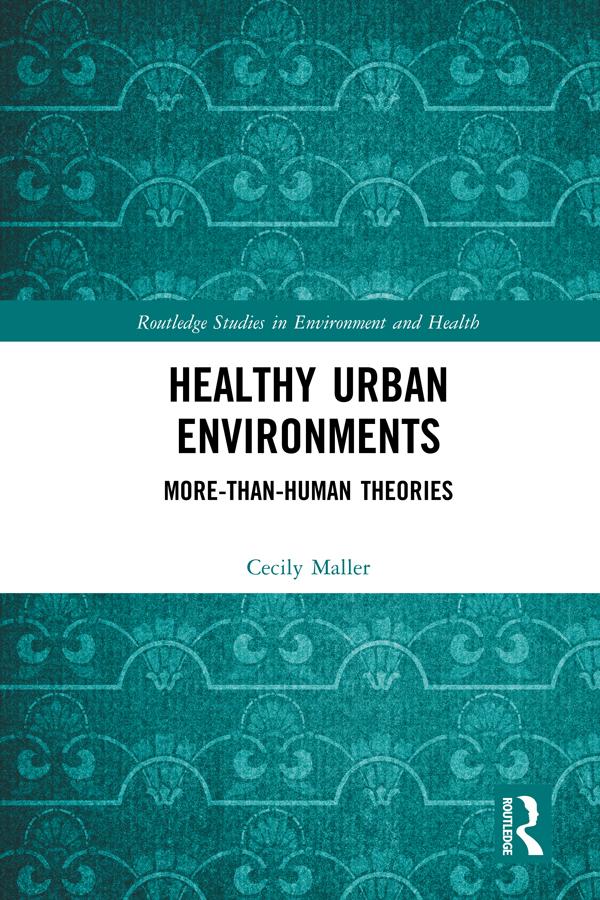
Set in the ‘human–environment’ interaction space, this book applies new theoretical and practical insights to understanding what makes healthy urban environments. It stems from recognition that the world is rapidly urbanising and the international concern with how to create healthy settings and liveable cities in the context of a rapidly changing planet. A key argument is that usual attempts to make healthy cities are limited by human-centrism and bifurcated, western thinking about cities, health and nature. Drawing on the innovative ‘more-than-human’ scholarship from a range of disciplines, it presents a synthesis of the main contributions, and how they can be used to rethink what healthy urban environments are, and who they are for. In particular, the book turns its attention to urban biodiversity and the many non-human species that live in, make and share cities with humans.
The book will be of interest to scholars and students in human geography, health sociology, environmental humanities, public health, health promotion, planning and urban design, as well as policymakers and professionals working in these fields.
Paga facilmente con carta, Klarna, Apple Pay o Google Pay. Non sei soddisfatto? Hai sempre 14 giorni per il rimborso. Leggi di più nei nostri termini. Per qualsiasi domanda, scrivici a hello@memmo.org.
Memmo rende lo studio più facile, ovunque tu sia nel mondo. Qui trovi i tuoi libri di testo e strumenti di studio intelligenti, tutto in un unico posto: riassunti, quiz, podcast e flashcard. E poi c'è Ted, il tuo compagno di studio che risponde a ogni tua domanda. Oltre 50.000 studenti studiano già qui: è stato creato per aiutarti a imparare più velocemente e a stressarti meno.