
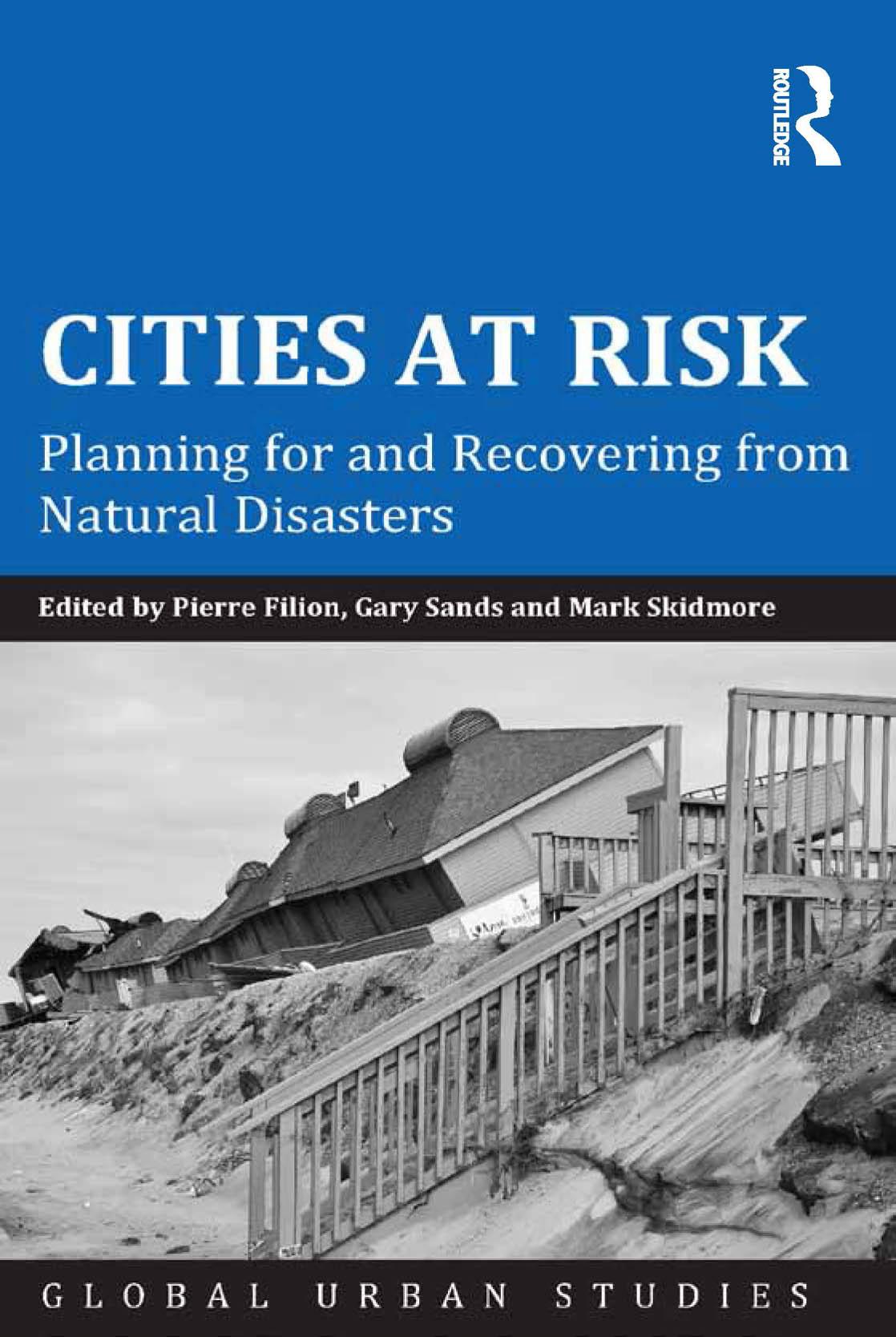
As levels of urbanization increase around the world, the growing concentrations of population and economic activity increases vulnerability to natural disasters. Interdependencies among urban populations mean that damage to the built environment, including water, sewer and energy infrastructure, can affect millions. Even if there is no change in the rate of occurrence of natural disasters (an unlikely prospect in the face of ongoing climate change) the potential for human and economic loss will continue to increase, along with the time required to recover. How do cities prepare for and recover from natural disasters? In this book, the authors provide a broad overview of the issues related to the impacts of disasters on cities around the world, from assessing risks to accounting for damages. The comparative approach across different types of disasters in a range of urban locations is useful in identifying opportunities for policy transfer. While there is no ’one size fits all’ solution to hazard mitigation, valuable lessons can be learned from the experiences of others. The chapters emphasize different modes for assessing hazard risk, as well as strategies for increasing the resiliency of vulnerable populations.
Paga facilmente con carta, Klarna, Apple Pay o Google Pay. Non sei soddisfatto? Hai sempre 14 giorni per il rimborso. Leggi di più nei nostri termini. Per qualsiasi domanda, scrivici a hello@memmo.org.
Memmo rende lo studio più facile, ovunque tu sia nel mondo. Qui trovi i tuoi libri di testo e strumenti di studio intelligenti, tutto in un unico posto: riassunti, quiz, podcast e flashcard. E poi c'è Ted, il tuo compagno di studio che risponde a ogni tua domanda. Oltre 50.000 studenti studiano già qui: è stato creato per aiutarti a imparare più velocemente e a stressarti meno.
Potrebbe interessarti anche
Acquista il libro0