
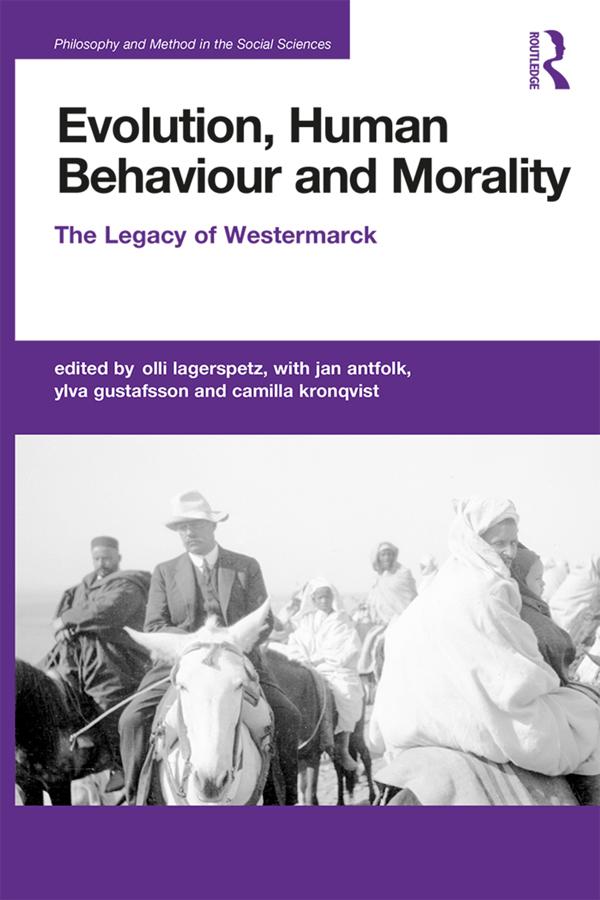
This book highlights the recent re-emergence of Edward Westermarck's work in modern approaches to morality and altruism, examining his importance as one of the founding fathers of anthropology and as a moral relativist, who identified our moral feelings with biologically-evolved retributive emotions.
Questioning the extent to which current debates on the relationship between biology and morality are similar to those in which Westermarck himself was involved, the authors ask what can be learnt from his arguments and from the criticism that he encountered. Drawing on Westermarck's manuscripts and papers as well as his published work, the authors show the importance of situating debates, whether modern or classical, in their correct methodological and philosophical context.
This volume is a rigorous assessment of the ways in which morality is connected with human biological nature. It plays close attention to the development of debates in this field and will appeal to scholars of sociology, anthropology and philosophy.
Paga facilmente con carta, Klarna, Apple Pay o Google Pay. Non sei soddisfatto? Hai sempre 14 giorni per il rimborso. Leggi di più nei nostri termini. Per qualsiasi domanda, scrivici a hello@memmo.org.
Memmo rende lo studio più facile, ovunque tu sia nel mondo. Qui trovi i tuoi libri di testo e strumenti di studio intelligenti, tutto in un unico posto: riassunti, quiz, podcast e flashcard. E poi c'è Ted, il tuo compagno di studio che risponde a ogni tua domanda. Oltre 50.000 studenti studiano già qui: è stato creato per aiutarti a imparare più velocemente e a stressarti meno.