
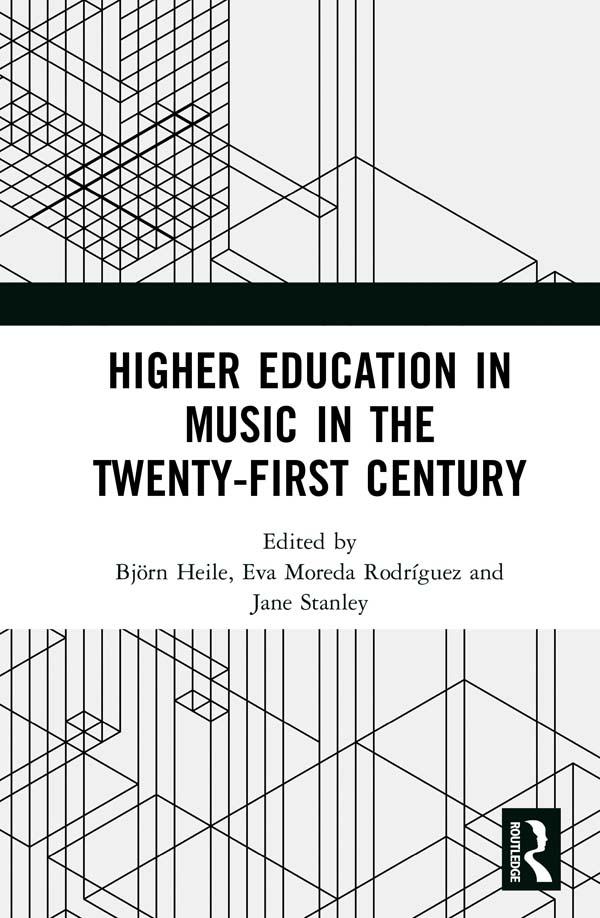
In this book, the contributors reconsider the fundamentals of Music as a university discipline by engaging with the questions: What should university study of music consist of? Are there any aspects, repertoires, pieces, composers and musicians that we want all students to know about? Are there any skills that we expect them to be able to master? How can we guarantee the relevance, rigour and cohesiveness of our curriculum? What is specific to higher education in music and what does it mean now and for the future? The book addresses many of the challenges students and teachers face in current higher education; indeed, the majority of today’s music students undoubtedly encounter a greater diversity of musical traditions and critical approaches to their study as well as a wider set of skills than their forebears. Welcome as these developments may be, they pose some risks too: more material cannot be added to the curriculum without either sacrificing depth for breadth or making much of it optional. The former provides students with a superficial and deceptive familiarity with a wide range of subject matter, but without the analytical skills and intellectual discipline required to truly master any of it. The latter easily results in a fragmentation of knowledge and skills, without a realistic opportunity for students to draw meaningful connections and arrive at a synthesis.
The authors, Music academics from the University of Glasgow, provide case studies from their own extensive experience, which are complemented by an Afterword from Nicholas Cook, 1684 Professor of Music at the University of Cambridge. Together, they examine what students can and should learn about and from music and what skills and knowledge music graduates could or should possess in order to operate successfully in professional and public life. Coupled with these considerations are reflections on music’s social function and universities’ role in public life, concluding with the conviction that a university education in music is more than a personal investment in one’s future; it contributes to the public good.
Paga facilmente con carta, Klarna, Apple Pay o Google Pay. Non sei soddisfatto? Hai sempre 14 giorni per il rimborso. Leggi di più nei nostri termini. Per qualsiasi domanda, scrivici a hello@memmo.org.
Memmo rende lo studio più facile, ovunque tu sia nel mondo. Qui trovi i tuoi libri di testo e strumenti di studio intelligenti, tutto in un unico posto: riassunti, quiz, podcast e flashcard. E poi c'è Ted, il tuo compagno di studio che risponde a ogni tua domanda. Oltre 50.000 studenti studiano già qui: è stato creato per aiutarti a imparare più velocemente e a stressarti meno.