
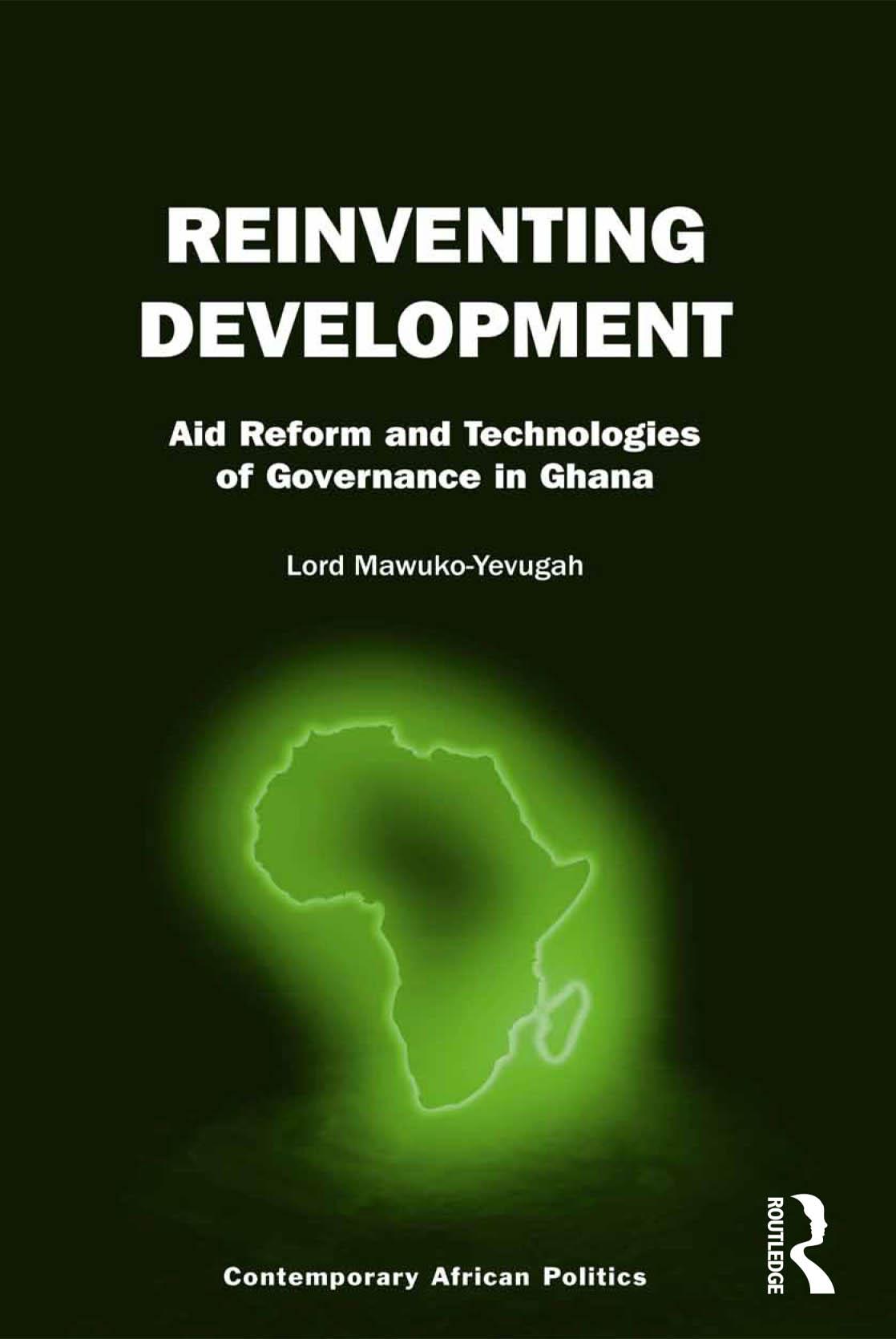
Global development actors such as the World Bank and the International Monetary Fund claim that the shift to the poverty reduction strategy framework and emphasis on local participation address the social cost of earlier adjustment programs and help put aid-receiving countries back in control of their own development agenda. Drawing on the case of Ghana, Lord Mawuko-Yevugah argues that this shift and the emphasis on partnerships between donors and poor countries, local participation, and country ownership simultaneously represents a substantive departure from earlier versions of neo-liberalism and an attempt by global development actors and local governing and social elites to justify, and legitimize the neo-liberal policy paradigm. This book shows how the new architecture of aid has important implications in three distinct but related ways: the discursive construction and production of post-colonial societies; the changing focus of Western aid and development policy interventions; and the reproduction of the politics of inclusive exclusion. The author provides detailed and original research on the new development paradigm and develops a critical theoretical approach to re-think conventional analyses of the new discourses on aid whilst offering a fresh, alternative interpretation of changes in international aid relations.
Paga facilmente con carta, Klarna, Apple Pay o Google Pay. Non sei soddisfatto? Hai sempre 14 giorni per il rimborso. Leggi di più nei nostri termini. Per qualsiasi domanda, scrivici a hello@memmo.org.
Memmo rende lo studio più facile, ovunque tu sia nel mondo. Qui trovi i tuoi libri di testo e strumenti di studio intelligenti, tutto in un unico posto: riassunti, quiz, podcast e flashcard. E poi c'è Ted, il tuo compagno di studio che risponde a ogni tua domanda. Oltre 50.000 studenti studiano già qui: è stato creato per aiutarti a imparare più velocemente e a stressarti meno.
Potrebbe interessarti anche
Acquista il libro0