
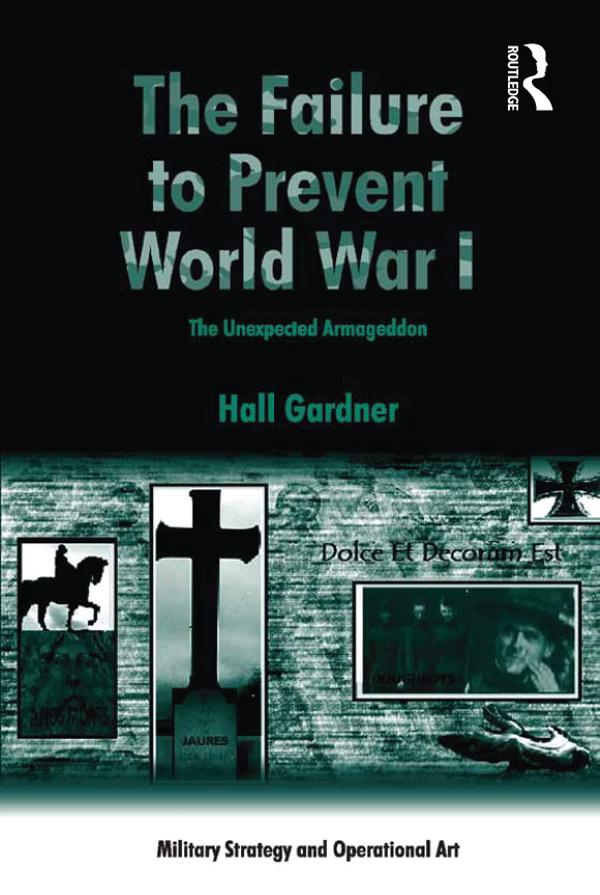
World War I represents one of the most studied, yet least understood, systemic conflicts in modern history. At the time, it was a major power war that was largely unexpected. This book refines and expands points made in the author’s earlier work on the failure to prevent World War I. It provides an alternative viewpoint to the thesis of Christopher Clark, Fritz Fischer, Paul Kennedy, among others, as to the war's long-term origins. By starting its analysis with the causes and consequences of the 1870-71 Franco-Prussian War and the German annexation of Alsace-Lorraine, the study systematically explores the key geostrategic, political-economic and socio-cultural-ideological disputes between France, Germany, Austria-Hungary, Italy, Russia, Japan, the United States and Great Britain, the nature of their foreign policy goals, alliance formations, arms rivalries, as well as the dynamics of the diplomatic process, so as to better explain the deeper roots of the 'Great War'. The book concludes with a discussion of the war's relevance and the diplomatic failure to forge a possible Anglo-German-French alliance, while pointing out how it took a second world war to realize Victor Hugo’s nineteenth-century vision of a United States of Europe-a vision now being challenged by financial crisis and Russia's annexation of Crimea.
Paga facilmente con carta, Klarna, Apple Pay o Google Pay. Non sei soddisfatto? Hai sempre 14 giorni per il rimborso. Leggi di più nei nostri termini. Per qualsiasi domanda, scrivici a hello@memmo.org.
Memmo rende lo studio più facile, ovunque tu sia nel mondo. Qui trovi i tuoi libri di testo e strumenti di studio intelligenti, tutto in un unico posto: riassunti, quiz, podcast e flashcard. E poi c'è Ted, il tuo compagno di studio che risponde a ogni tua domanda. Oltre 50.000 studenti studiano già qui: è stato creato per aiutarti a imparare più velocemente e a stressarti meno.
Potrebbe interessarti anche
Acquista il libro0