
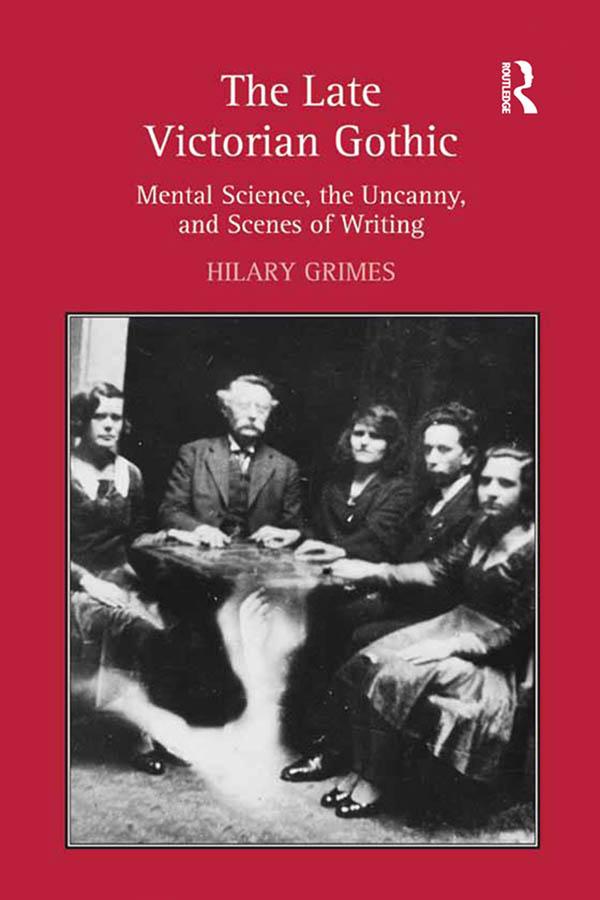
Examining the automatic writing of the spiritualist séances, discursive technologies like the telegraph and the photograph, various genres and late nineteenth-century mental science, this book shows the failure of writers' attempts to use technology as a way of translating the supernatural at the fin de siècle. Hilary Grimes shows that both new technology and explorations into the ghostly aspects of the mind made agency problematic. When notions of agency are suspended, Grimes argues, authorship itself becomes uncanny. Grimes's study is distinct in both recognizing and crossing strict boundaries to suggest that Gothic literature itself resists categorization, not only between literary periods, but also between genres. Treating a wide range of authors - Henry James, Rudyard Kipling, Arthur Conan Doyle, George Du Maurier, Vernon Lee, Mary Louisa Molesworth, Sarah Grand, and George Paston - Grimes shows how fin-de-siècle works negotiate themes associated with the Victorian and Modernist periods such as psychical research, mass marketing, and new technologies. With particular attention to texts that are not placed within the Gothic genre, but which nevertheless conceal Gothic themes, The Late Victorian Gothic demonstrates that the end of the nineteenth century produced a Gothicism specific to the period.
Paga facilmente con carta, Klarna, Apple Pay o Google Pay. Non sei soddisfatto? Hai sempre 14 giorni per il rimborso. Leggi di più nei nostri termini. Per qualsiasi domanda, scrivici a hello@memmo.org.
Memmo rende lo studio più facile, ovunque tu sia nel mondo. Qui trovi i tuoi libri di testo e strumenti di studio intelligenti, tutto in un unico posto: riassunti, quiz, podcast e flashcard. E poi c'è Ted, il tuo compagno di studio che risponde a ogni tua domanda. Oltre 50.000 studenti studiano già qui: è stato creato per aiutarti a imparare più velocemente e a stressarti meno.
Potrebbe interessarti anche
Acquista il libro0