
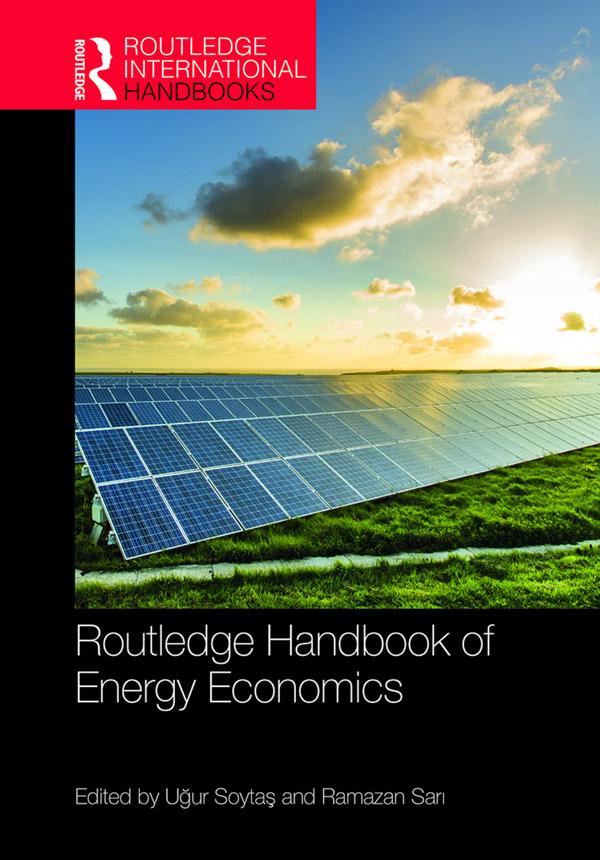
Energy consumption and production have major influences on the economy, environment, and society, but in return they are also influenced by how the economy is structured, how the social institutions work, and how the society deals with environmental degradation. The need for integrated assessment of the relationship between energy, economy, environment, and society is clear, and this handbook offers an in-depth review of all four pillars of the energy-economy-environment-society nexus.
Bringing together contributions from all over the world, this handbook includes sections devoted to each of the four pillars. Moreover, as the financialization of commodity markets has made risk analysis more complicated and intriguing, the sections also cover energy commodity markets and their links to other financial and non-financial markets. In addition, econometric modeling and the forecasting of energy needs, as well as energy prices and volatilities, are also explored. Each part emphasizes the multidisciplinary nature of the energy economics field and from this perspective, chapters offer a review of models and methods used in the literature.
The Routledge Handbook of Energy Economics will be of great interest to all those studying and researching in the area of energy economics. It offers guideline suggestions for policy makers as well as for future research.
Paga facilmente con carta, Klarna, Apple Pay o Google Pay. Non sei soddisfatto? Hai sempre 14 giorni per il rimborso. Leggi di più nei nostri termini. Per qualsiasi domanda, scrivici a hello@memmo.org.
Memmo rende lo studio più facile, ovunque tu sia nel mondo. Qui trovi i tuoi libri di testo e strumenti di studio intelligenti, tutto in un unico posto: riassunti, quiz, podcast e flashcard. E poi c'è Ted, il tuo compagno di studio che risponde a ogni tua domanda. Oltre 50.000 studenti studiano già qui: è stato creato per aiutarti a imparare più velocemente e a stressarti meno.