
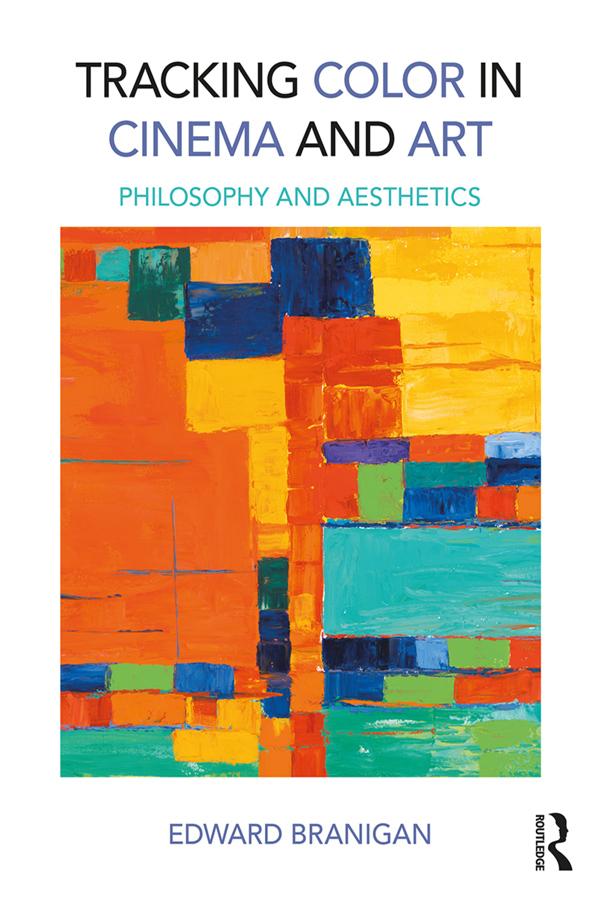
Color is one of cinema’s most alluring formal systems, building on a range of artistic traditions that orchestrate visual cues to tell stories, stage ideas, and elicit feelings. But what if color is not—or not only—a formal system, but instead a linguistic effect, emerging from the slipstream of our talk and embodiment in a world? This book develops a compelling framework from which to understand the mobility of color in art and mind, where color impressions are seen through, and even governed by, patterns of ordinary language use, schemata, memories, and narrative.
Edward Branigan draws on the work of Ludwig Wittgenstein and other philosophers who struggle valiantly with problems of color aesthetics, contemporary theories of film and narrative, and art-historical models of analysis. Examples of a variety of media, from American pop art to contemporary European cinema, illustrate a theory based on a spectator’s present-time tracking of temporal patterns that are firmly entwined with language use and social intelligence.
Paga facilmente con carta, Klarna, Apple Pay o Google Pay. Non sei soddisfatto? Hai sempre 14 giorni per il rimborso. Leggi di più nei nostri termini. Per qualsiasi domanda, scrivici a hello@memmo.org.
Memmo rende lo studio più facile, ovunque tu sia nel mondo. Qui trovi i tuoi libri di testo e strumenti di studio intelligenti, tutto in un unico posto: riassunti, quiz, podcast e flashcard. E poi c'è Ted, il tuo compagno di studio che risponde a ogni tua domanda. Oltre 50.000 studenti studiano già qui: è stato creato per aiutarti a imparare più velocemente e a stressarti meno.