
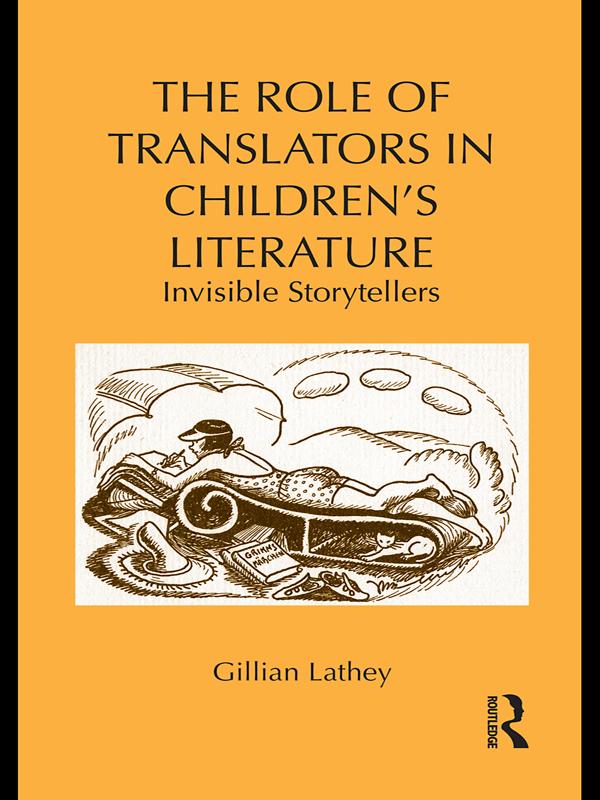
This book offers a historical analysis of key classical translated works for children, such as writings by Hans Christian Andersen and Grimms’ tales. Translations dominate the earliest history of texts written for children in English, and stories translated from other languages have continued to shape its course to the present day. Lathey traces the role of the translator and the impact of translations on the history of English-language children’s literature from the ninth century onwards. Discussions of popular texts in each era reveal fluctuations in the reception of translated children’s texts, as well as instances of cultural mediation by translators and editors. Abridgement, adaptation, and alteration by translators have often been viewed in a negative light, yet a closer examination of historical translators’ prefaces reveals a far more varied picture than that of faceless conduits or wilful censors. From William Caxton’s dedication of his translated History of Jason to young Prince Edward in 1477 (‘to thentent/he may begynne to lerne read Englissh’), to Edgar Taylor’s justification of the first translation into English of Grimms’ tales as a means of promoting children’s imaginations in an age of reason, translators have recorded in prefaces and other writings their didactic, religious, aesthetic, financial, and even political purposes for translating children’s texts.
Paga facilmente con carta, Klarna, Apple Pay o Google Pay. Non sei soddisfatto? Hai sempre 14 giorni per il rimborso. Leggi di più nei nostri termini. Per qualsiasi domanda, scrivici a hello@memmo.org.
Memmo rende lo studio più facile, ovunque tu sia nel mondo. Qui trovi i tuoi libri di testo e strumenti di studio intelligenti, tutto in un unico posto: riassunti, quiz, podcast e flashcard. E poi c'è Ted, il tuo compagno di studio che risponde a ogni tua domanda. Oltre 50.000 studenti studiano già qui: è stato creato per aiutarti a imparare più velocemente e a stressarti meno.