
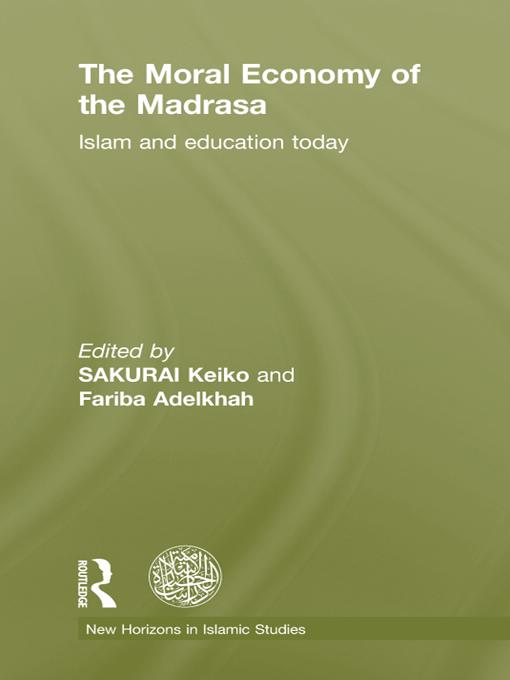
The revival of madrasas in the 1980s coincided with the rise of political Islam and soon became associated with the "clash of civilizations" between Islam and the West. This volume examines the rapid expansion of madrasas across Asia and the Middle East and analyses their role in society within their local, national and global context.
Based on anthropological investigations in Afghanistan, Bangladesh, China, Iran, and Pakistan, the chapters take a new approach to the issue, examining the recent phenomenon of women in madrasas; Hui Muslims in China; relations between the Iran’s Shia seminary after the 1979-Islamic revolution and Shia in Pakistan and Afghanistan; and South Asian madrasas. Emphasis is placed on the increased presence of women in these institutions, and the reciprocal interactions between secular and religious schools in those countries. Taking into account social, political and demographic changes within the region, the authors show how madrasas have been successful in responding to the educational demand of the people and how they have been modernized their style to cope with a changing environment.
A timely contribution to a subject with great international appeal, this book will be of great interest to students and scholars of international politics, political Islam, Middle East and Asian studies and anthropology.
Paga facilmente con carta, Klarna, Apple Pay o Google Pay. Non sei soddisfatto? Hai sempre 14 giorni per il rimborso. Leggi di più nei nostri termini. Per qualsiasi domanda, scrivici a hello@memmo.org.
Memmo rende lo studio più facile, ovunque tu sia nel mondo. Qui trovi i tuoi libri di testo e strumenti di studio intelligenti, tutto in un unico posto: riassunti, quiz, podcast e flashcard. E poi c'è Ted, il tuo compagno di studio che risponde a ogni tua domanda. Oltre 50.000 studenti studiano già qui: è stato creato per aiutarti a imparare più velocemente e a stressarti meno.