
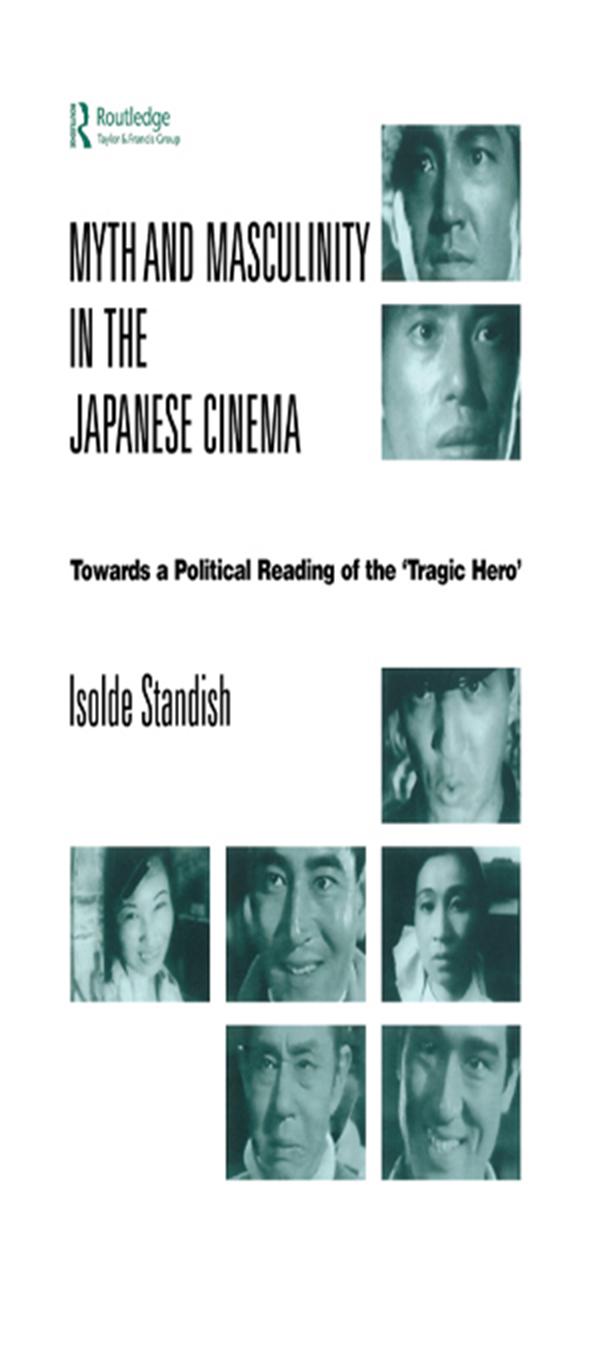
This study argues that in Japanese popular cinema the 'tragic hero' narrative is an archetypal plot-structure upon which male genres, such as the war-retro and yakuza films are based. Two central questions in relation to these post-war Japanese film genres and historical consciousness are addressed: What is the relationship between history, myth and memory? And how are individual subjectivities defined in relation to the past? The book examines the role of the 'tragic hero' narrative as a figurative structure through which the Japanese people could interpret the events of World War II and defeat, offering spectators an avenue of exculpation from a foreign-imposed sense of guilt. Also considered is the fantasy world of the nagare-mono (drifter) or yakuza film. It is suggested that one of the reasons for the great popularity of these films in the 1960s and 1970s lay in their ability to offer men meanings that could help them understand the contradictions between the reality of their everyday experiences and the ideological construction of masculinity.
Paga facilmente con carta, Klarna, Apple Pay o Google Pay. Non sei soddisfatto? Hai sempre 14 giorni per il rimborso. Leggi di più nei nostri termini. Per qualsiasi domanda, scrivici a hello@memmo.org.
Memmo rende lo studio più facile, ovunque tu sia nel mondo. Qui trovi i tuoi libri di testo e strumenti di studio intelligenti, tutto in un unico posto: riassunti, quiz, podcast e flashcard. E poi c'è Ted, il tuo compagno di studio che risponde a ogni tua domanda. Oltre 50.000 studenti studiano già qui: è stato creato per aiutarti a imparare più velocemente e a stressarti meno.
Potrebbe interessarti anche
Acquista il libro0