
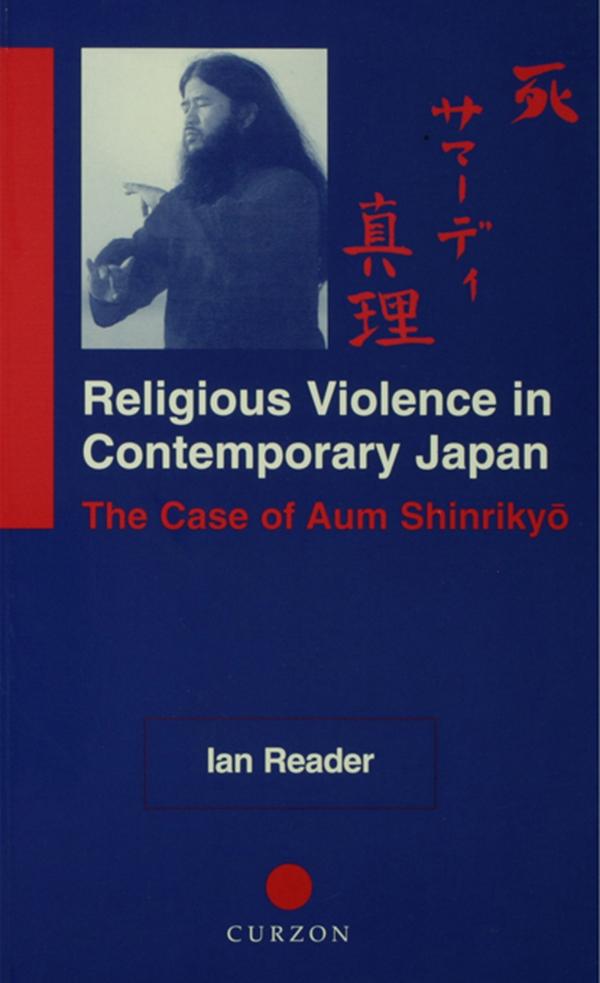
The Tokyo subway attack in March 1995 was just one of a series of criminal activities including murder, kidnapping, extortion, and the illegal manufacture of arms and drugs carried out by the Japanese new religious movement Aum Shinrikyo, under the guidance of its leader Asahara Shoko. Reader looks at Aum's claims about itself and asks, why did a religious movement ostensibly focussed on yoga, meditation, asceticism and the pursuit of enlightenment become involved in violent activities?
Reader discusses Aum's spiritual roots, placing it in the context of contemporary Japanese religious patterns. Asahara's teaching are examined from his earliest public pronouncements through to his sermons at the time of the attack, and statements he has made in court. In analysing how Aum not only manufactured nerve gases but constructed its own internal doctrinal justifications for using them Reader focuses on the formation of what made all this possible: Aum's internal thought-world, and on how this was developed.
Reader argues that despite the horrors of this particular case, Aum should not be seen as unique, nor as solely a political or criminal terror group. Rather it can best be analysed within the context of religious violence, as an extreme example of a religious movement that has created friction with the wider world that escalated into violence.
Paga facilmente con carta, Klarna, Apple Pay o Google Pay. Non sei soddisfatto? Hai sempre 14 giorni per il rimborso. Leggi di più nei nostri termini. Per qualsiasi domanda, scrivici a hello@memmo.org.
Memmo rende lo studio più facile, ovunque tu sia nel mondo. Qui trovi i tuoi libri di testo e strumenti di studio intelligenti, tutto in un unico posto: riassunti, quiz, podcast e flashcard. E poi c'è Ted, il tuo compagno di studio che risponde a ogni tua domanda. Oltre 50.000 studenti studiano già qui: è stato creato per aiutarti a imparare più velocemente e a stressarti meno.