
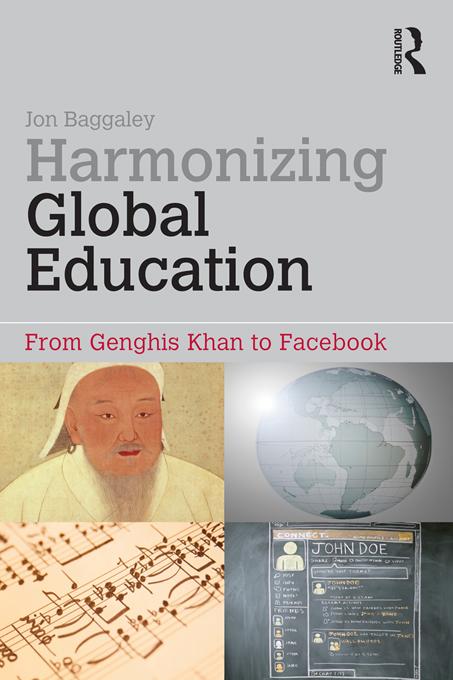
Distance education (DE) offers ways to reach the many people around the world who lack access to education and training by other means. International DE methods, however, are fragmented, and distance educators have often abandoned new technologies before giving them a chance to develop. As a result, many current DE tools and techniques are incompatible with the needs and cultures of different global regions. With the goal of designing efficient, relevant DE for worldwide audiences, Harmonizing Global Education invites scholars and practitioners to consider the historic development of technology-based education and communication studies, going back further in the literature than is often assumed necessary.
The book examines a wide range of historical ideas capable of shaping modern DE, including the Luddite Revolt among British textiles workers in 1811-12, the evolution of cubist art and musical aesthetics, and the visionary advances of early twentieth-century Soviet multimedia specialists. The author urges an awareness of previous generations of communications studies, and shows how audience research relating to traditional media can be relevant in the design of current internet-based and social media approaches. Today's open universities have grown from these earlier historical efforts, and the future success of open and distance education depends on learning from the successes and the failures of the past.
Paga facilmente con carta, Klarna, Apple Pay o Google Pay. Non sei soddisfatto? Hai sempre 14 giorni per il rimborso. Leggi di più nei nostri termini. Per qualsiasi domanda, scrivici a hello@memmo.org.
Memmo rende lo studio più facile, ovunque tu sia nel mondo. Qui trovi i tuoi libri di testo e strumenti di studio intelligenti, tutto in un unico posto: riassunti, quiz, podcast e flashcard. E poi c'è Ted, il tuo compagno di studio che risponde a ogni tua domanda. Oltre 50.000 studenti studiano già qui: è stato creato per aiutarti a imparare più velocemente e a stressarti meno.