
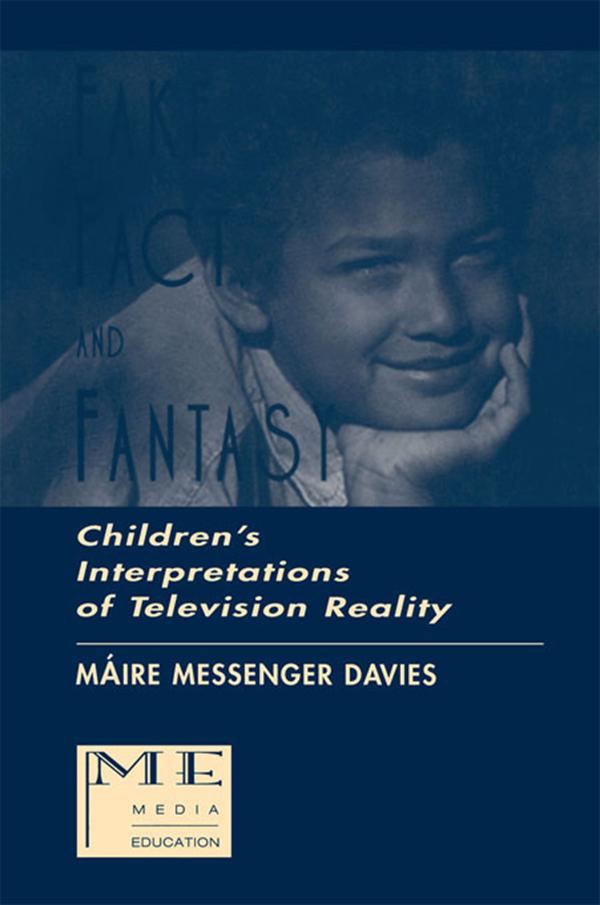
Based on a study examining the meaning of the term "media literacy" in children, this volume concentrates on audiovisual narratives of television and film and their effects. It closely examines children's concepts of real and unreal and how they learn to make distinctions between the two. It also explores the idea that children are protected from the harmful effects of violence on television by the knowledge that what they see is not real.
This volume is unique in its use of children's own words to explore their awareness of the submerged conventions of television genres, of their functions and effects, of their relationship to the real world, and of how this awareness varies with age and other factors. Based on detailed questionnaire data and conversations with 6 to 11-year-old children, carried out with the support of a fellowship at the Annenberg School for Communication, University of Pennsylvania, the book eloquently demonstrates how children use their knowledge of real life, of literature, and of art, in intelligently evaluating the relationship between television's formats, and the real world in which they live.
Paga facilmente con carta, Klarna, Apple Pay o Google Pay. Non sei soddisfatto? Hai sempre 14 giorni per il rimborso. Leggi di più nei nostri termini. Per qualsiasi domanda, scrivici a hello@memmo.org.
Memmo rende lo studio più facile, ovunque tu sia nel mondo. Qui trovi i tuoi libri di testo e strumenti di studio intelligenti, tutto in un unico posto: riassunti, quiz, podcast e flashcard. E poi c'è Ted, il tuo compagno di studio che risponde a ogni tua domanda. Oltre 50.000 studenti studiano già qui: è stato creato per aiutarti a imparare più velocemente e a stressarti meno.