
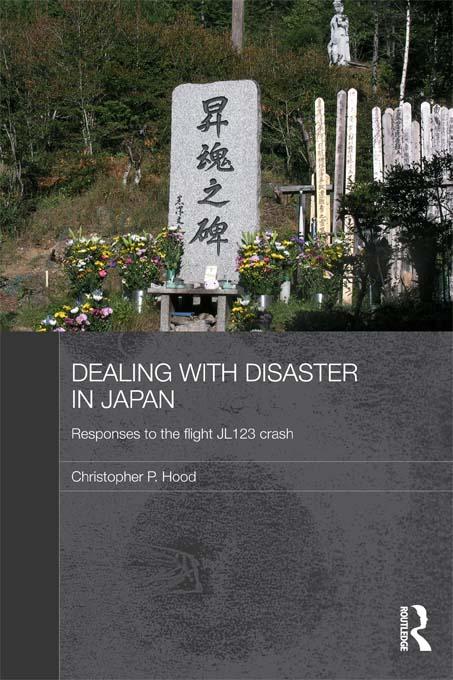
Just as the sinking of the Titanic is embedded in the public consciousness in the English-speaking world, so the crash of JAL flight JL123 is part of the Japanese collective memory. The 1985 crash involved the largest loss of life for any single air crash in the world. 520 people, many of whom had been returning to their ancestral home for the Obon religious festival, were killed; there were only four survivors.
This book tells the story of the crash, discusses the many controversial issues surrounding it, and considers why it has come to have such importance for many Japanese. It shows how the Japanese responded to the disaster: trying to comprehend how a faulty repair may have caused the crash, and the fact that rescue services took such a long time to reach the remote crash site; how the bereaved dealt with their loss; how the media in Japan and in the wider world reported the disaster; and how the disaster is remembered and commemorated. The book highlights the media coverage of anniversary events and the Japanese books and films about the crash; the very particular memorialization process in Japan, alongside Japanese attitudes to death and religion; it points out in what ways this crash both reflects typical Japanese behaviour and in what ways the crash is unique.
Paga facilmente con carta, Klarna, Apple Pay o Google Pay. Non sei soddisfatto? Hai sempre 14 giorni per il rimborso. Leggi di più nei nostri termini. Per qualsiasi domanda, scrivici a hello@memmo.org.
Memmo rende lo studio più facile, ovunque tu sia nel mondo. Qui trovi i tuoi libri di testo e strumenti di studio intelligenti, tutto in un unico posto: riassunti, quiz, podcast e flashcard. E poi c'è Ted, il tuo compagno di studio che risponde a ogni tua domanda. Oltre 50.000 studenti studiano già qui: è stato creato per aiutarti a imparare più velocemente e a stressarti meno.