
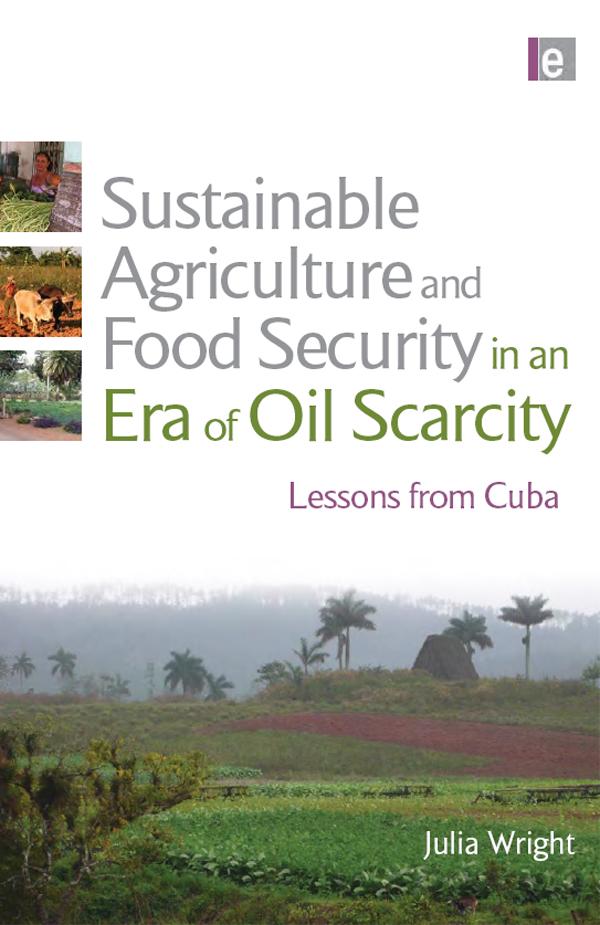
When other nations are forced to rethink their agricultural and food security strategies in light of the post-peak oil debate, they only have one living example to draw from: that of Cuba in the 1990s. Based on the first and - up till now - only systematic and empirical study to come out of Cuba on this topic, this book examines how the nation successfully headed off its own food crisis after the dissolution of the Soviet Bloc in the early 1990s.
The author identifies the policies and practices required for such an achievement under conditions of petroleum-scarcity and in doing so, challenges the mainstream globalized and privatized food systems and food security strategies being driven through in both industrialized and more vulnerable developing regions. Paradoxically, the book dispels the myth that Cuba turned to organic farming nationwide, a myth founded on the success of Cuba's urban organic production systems which visitors to the country are most commonly exposed to. In rural regions, where the author had unique access, industrialized high-input and integrated agriculture is aspired to for the majority of domestic production, despite the ongoing fluctuations in availability of agrochemicals and fuel.
By identifying the challenges faced by Cuban institutions and individuals in de-industrializing their food and farming systems, this book provides crucial learning material for the current fledgling attempts at developing energy descent plans and at mainstreaming more organic food systems in industrialized nations. It also informs international policy on sustainable agriculture and food security for less-industrialized countries.
Paga facilmente con carta, Klarna, Apple Pay o Google Pay. Non sei soddisfatto? Hai sempre 14 giorni per il rimborso. Leggi di più nei nostri termini. Per qualsiasi domanda, scrivici a hello@memmo.org.
Memmo rende lo studio più facile, ovunque tu sia nel mondo. Qui trovi i tuoi libri di testo e strumenti di studio intelligenti, tutto in un unico posto: riassunti, quiz, podcast e flashcard. E poi c'è Ted, il tuo compagno di studio che risponde a ogni tua domanda. Oltre 50.000 studenti studiano già qui: è stato creato per aiutarti a imparare più velocemente e a stressarti meno.