
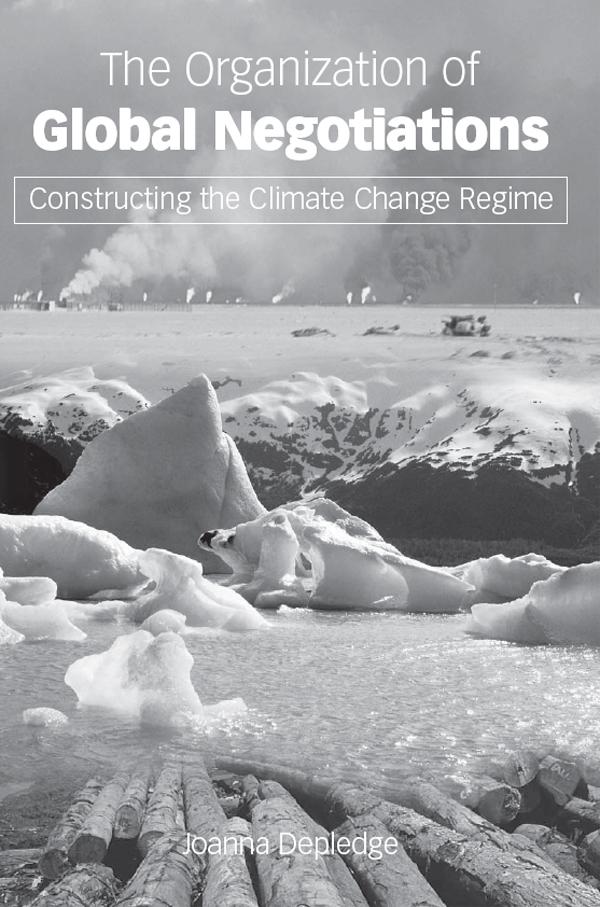
The basic assumption of this book is that the organization of a negotiation process matters.
The global negotiations on climate change involve over 180 countries and innumerable observers and other participants, addressing enormously complex and economically vital issues with conflicting agendas. For the UN to create an effective and well-supported international regime has required enormous and very skilful organization: factors such as the role of the Chair, the choice of negotiating arenas, the rules for the conduct of business and the approach of negotiating texts are usually taken for granted, and rarely attract attention until something goes wrong.
This book explores how the negotiations were organized to produce the Kyoto Protocol to the Climate Change Convention and the subsequent Bonn Agreements and Marrakesh Accords. The author draws out the lessons and implications for other intricate and far-reaching negotiations, not all of which have succeeded so far, such as the WTO trade negotiations at Seattle and Cancun.
This is essential reading for all participants in and organizers of international negotiations; and for researchers and students of international relations, climate change and environmental studies.
Paga facilmente con carta, Klarna, Apple Pay o Google Pay. Non sei soddisfatto? Hai sempre 14 giorni per il rimborso. Leggi di più nei nostri termini. Per qualsiasi domanda, scrivici a hello@memmo.org.
Memmo rende lo studio più facile, ovunque tu sia nel mondo. Qui trovi i tuoi libri di testo e strumenti di studio intelligenti, tutto in un unico posto: riassunti, quiz, podcast e flashcard. E poi c'è Ted, il tuo compagno di studio che risponde a ogni tua domanda. Oltre 50.000 studenti studiano già qui: è stato creato per aiutarti a imparare più velocemente e a stressarti meno.