
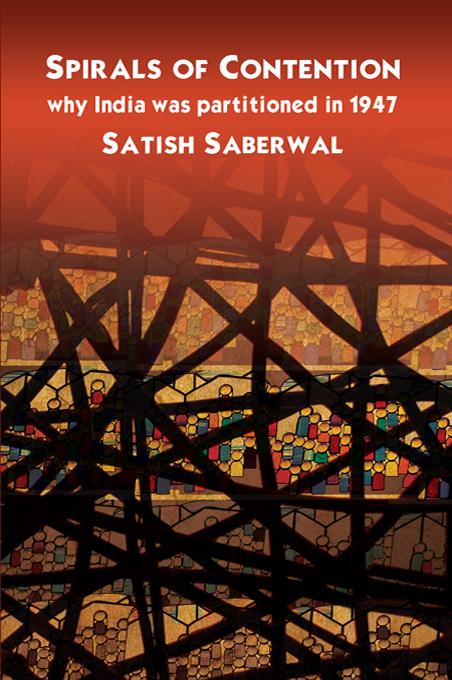
This study examines the social and psychological processes that led to the Partition of the Indian subcontinent in 1947. It recognizes the long-term continuities in the idiom of conflict (as well as cooperation), and shows that, by 1900, the conflicts and animosities were gathering a self-aggravating momentum. The book moves back and forth between evidence and general, or theoretical, understanding.
Separateness between Hindus and Muslims grew reciprocally, with hardening religious identities and the growing frequency of incidents of conflict. These skirmishes had several dimensions: symbolic (desecrating places of worship), societal (conversions), and physical (violence against women). As mutual trust declined, a quarter century of negotiations under diverse auspices failed to yield an agreement, and even the framework of the Partition in 1947 was imposed by the colonial rulers.
A theoretically informed study, this book takes a comparative stance along several axes. Recognizing long-term continuities in the idiom of conflict (as well as of cooperation), it will be of interest to students of conflicts, Partitions, history, sociology, and South Asian studies.
Paga facilmente con carta, Klarna, Apple Pay o Google Pay. Non sei soddisfatto? Hai sempre 14 giorni per il rimborso. Leggi di più nei nostri termini. Per qualsiasi domanda, scrivici a hello@memmo.org.
Memmo rende lo studio più facile, ovunque tu sia nel mondo. Qui trovi i tuoi libri di testo e strumenti di studio intelligenti, tutto in un unico posto: riassunti, quiz, podcast e flashcard. E poi c'è Ted, il tuo compagno di studio che risponde a ogni tua domanda. Oltre 50.000 studenti studiano già qui: è stato creato per aiutarti a imparare più velocemente e a stressarti meno.