
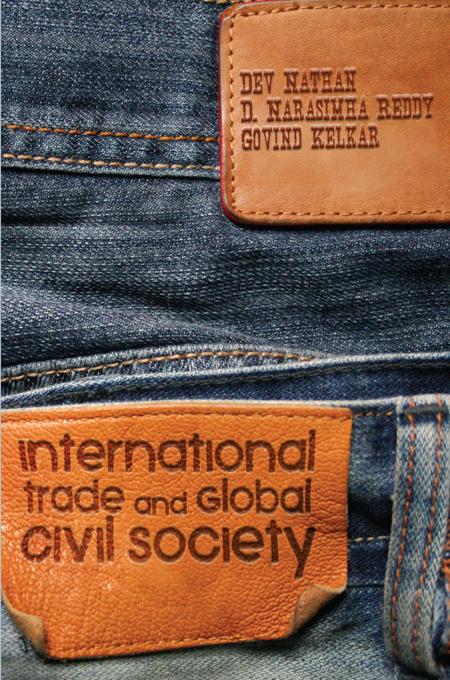
This study challenges the dominant tendency of civil society to negate international trade as such. The authors argue that it is necessary to frame differentiated trade rules based on levels of economic development, and also to shift from subsidies to shore up uncompetitive livelihoods to productivity-enhancing investments.Most importantly, the book ends with a case for trade unions, women's organizations and other civil society organizations to imagine and create themselves as being global -- in order to take up the challenge of strengthening global countervailing power to capital.
Paga facilmente con carta, Klarna, Apple Pay o Google Pay. Non sei soddisfatto? Hai sempre 14 giorni per il rimborso. Leggi di più nei nostri termini. Per qualsiasi domanda, scrivici a hello@memmo.org.
Memmo rende lo studio più facile, ovunque tu sia nel mondo. Qui trovi i tuoi libri di testo e strumenti di studio intelligenti, tutto in un unico posto: riassunti, quiz, podcast e flashcard. E poi c'è Ted, il tuo compagno di studio che risponde a ogni tua domanda. Oltre 50.000 studenti studiano già qui: è stato creato per aiutarti a imparare più velocemente e a stressarti meno.
Potrebbe interessarti anche
Acquista il libro0