
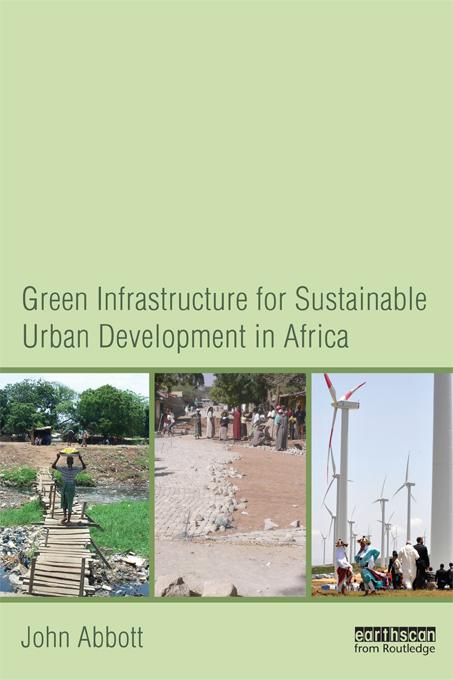
This book shows for the first time how green infrastructure can work in an African urban context. On one level it provides a major rethinking of the role of infrastructure in urban society since the creation of networked infrastructure in the early twentieth century. On another, it explores the changing paradigms of urban development through the fundamental question of how decisions are made.
With a focus on Africa's fast-growing secondary towns, where 70 per cent of the urban population live, the book explains how urban infrastructure provides the key to the relationship between economic development and social equity, through the mediation of natural resources. Adopting this view enables investment to be channelled more effectively to provide the engine for economic growth, while providing equitable services for all residents. At the same time, the mediation of resource flows integrates the metabolism of the city into the wider ecosystem. This vision leads to a new way of thinking about infrastructure, giving clear definition to the concept of green infrastructure.
On the basis of research gathered throughout an extensive career, John Abbott draws in particular from his experience in Ethiopia to demonstrate the ways in which infrastructure needs to respond to the economies, societies and natural environments of twenty-first century urban Africa.
Paga facilmente con carta, Klarna, Apple Pay o Google Pay. Non sei soddisfatto? Hai sempre 14 giorni per il rimborso. Leggi di più nei nostri termini. Per qualsiasi domanda, scrivici a hello@memmo.org.
Memmo rende lo studio più facile, ovunque tu sia nel mondo. Qui trovi i tuoi libri di testo e strumenti di studio intelligenti, tutto in un unico posto: riassunti, quiz, podcast e flashcard. E poi c'è Ted, il tuo compagno di studio che risponde a ogni tua domanda. Oltre 50.000 studenti studiano già qui: è stato creato per aiutarti a imparare più velocemente e a stressarti meno.