
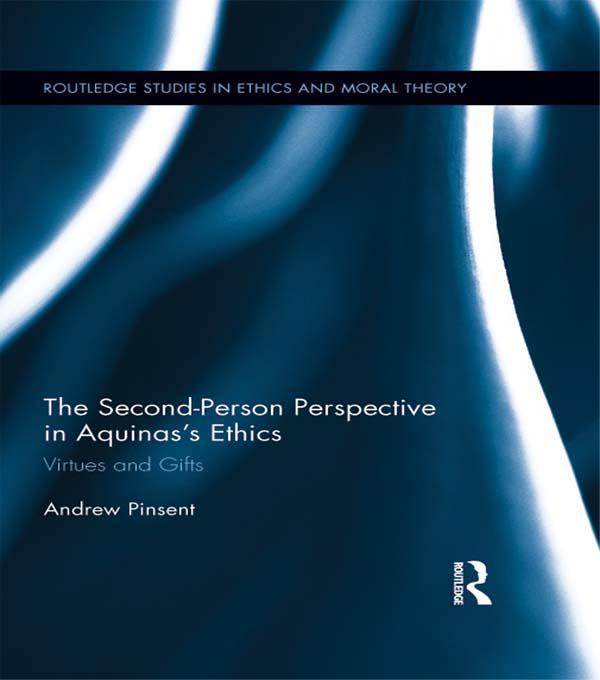
Thomas Aquinas devoted a substantial proportion of his greatest works to the virtues. Yet, despite the availability of these texts (and centuries of commentary), Aquinas’s virtue ethics remains mysterious, leaving readers with many unanswered questions.
In this book, Pinsent argues that the key to understanding Aquinas’s approach is to be found in an association between: a) attributes he appends to the virtues, and b) interpersonal capacities investigated by the science of social cognition, especially in the context of autistic spectrum disorder. The book uses this research to argue that Aquinas’s approach to the virtues is radically non-Aristotelian and founded on the concept of second-person relatedness.
To demonstrate the explanatory power of this principle, Pinsent shows how the second-person perspective gives interpretation to Aquinas’s descriptions of the virtues and offers a key to long-standing problems, such as the reconciliation of magnanimity and humility. The principle of second-person relatedness also interprets acts that Aquinas describes as the fruition of the virtues. Pinsent concludes by considering how this approach may shape future developments in virtue ethics.
Paga facilmente con carta, Klarna, Apple Pay o Google Pay. Non sei soddisfatto? Hai sempre 14 giorni per il rimborso. Leggi di più nei nostri termini. Per qualsiasi domanda, scrivici a hello@memmo.org.
Memmo rende lo studio più facile, ovunque tu sia nel mondo. Qui trovi i tuoi libri di testo e strumenti di studio intelligenti, tutto in un unico posto: riassunti, quiz, podcast e flashcard. E poi c'è Ted, il tuo compagno di studio che risponde a ogni tua domanda. Oltre 50.000 studenti studiano già qui: è stato creato per aiutarti a imparare più velocemente e a stressarti meno.