
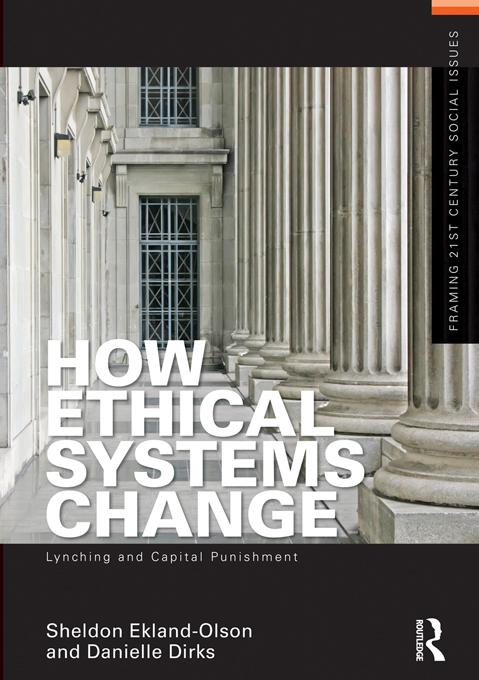
Slavery, lynching and capital punishment were interwoven in the United States and by the mid-twentieth century these connections gave rise to a small but well-focused reform movement. Biased and perfunctory procedures were replaced by prolonged trials and appeals, which some found messy and meaningless; DNA profiling clearly established innocent persons had been sentenced to death. The debate over taking life to protect life continues; this book is based on a hugely popular undergraduate course taught at the University of Texas, and is ideal for those interested in criminal justice, social problems, social inequality, and social movements.
This book is an excerpt from a larger text, Who Lives, Who Dies, Who Decides?, http://www.routledge.com/9780415892476/
Paga facilmente con carta, Klarna, Apple Pay o Google Pay. Non sei soddisfatto? Hai sempre 14 giorni per il rimborso. Leggi di più nei nostri termini. Per qualsiasi domanda, scrivici a hello@memmo.org.
Memmo rende lo studio più facile, ovunque tu sia nel mondo. Qui trovi i tuoi libri di testo e strumenti di studio intelligenti, tutto in un unico posto: riassunti, quiz, podcast e flashcard. E poi c'è Ted, il tuo compagno di studio che risponde a ogni tua domanda. Oltre 50.000 studenti studiano già qui: è stato creato per aiutarti a imparare più velocemente e a stressarti meno.