
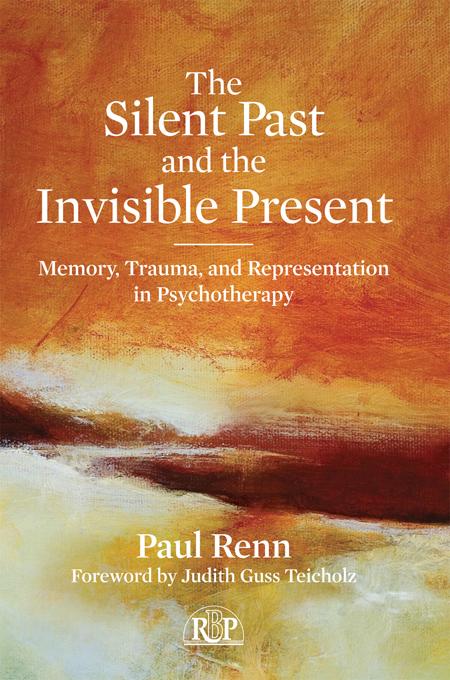
Drawing on research in the fields of cognitive and developmental psychology, attachment, trauma, and neuroscience, as well as 20 years in forensic and private practice, Paul Renn deftly illustrates the ways in which this research may be used to inform an integrated empirical/hermeneutic model of clinical practice. He suggests that silent, invisible processes derived from the past maintain non-optimal ways of experiencing and relating in the present, and that a neuroscience understanding of the dynamic nature of memories, and of the way in which the implicit and explicit memory systems operate and interact, is salient to a concomitant understanding of trauma, personality development, and therapeutic action. Specifically, Renn argues that an intersubjective psychodynamic model can use the power of an emotionally meaningful therapeutic relationship to gradually facilitate both relational and neurological changes in patients with trauma histories. Taken as a whole, these themes reflect a paradigmatic shift in psychoanalytic thinking about clinical work and the process of change.
Paga facilmente con carta, Klarna, Apple Pay o Google Pay. Non sei soddisfatto? Hai sempre 14 giorni per il rimborso. Leggi di più nei nostri termini. Per qualsiasi domanda, scrivici a hello@memmo.org.
Memmo rende lo studio più facile, ovunque tu sia nel mondo. Qui trovi i tuoi libri di testo e strumenti di studio intelligenti, tutto in un unico posto: riassunti, quiz, podcast e flashcard. E poi c'è Ted, il tuo compagno di studio che risponde a ogni tua domanda. Oltre 50.000 studenti studiano già qui: è stato creato per aiutarti a imparare più velocemente e a stressarti meno.
Potrebbe interessarti anche
Acquista il libro0