
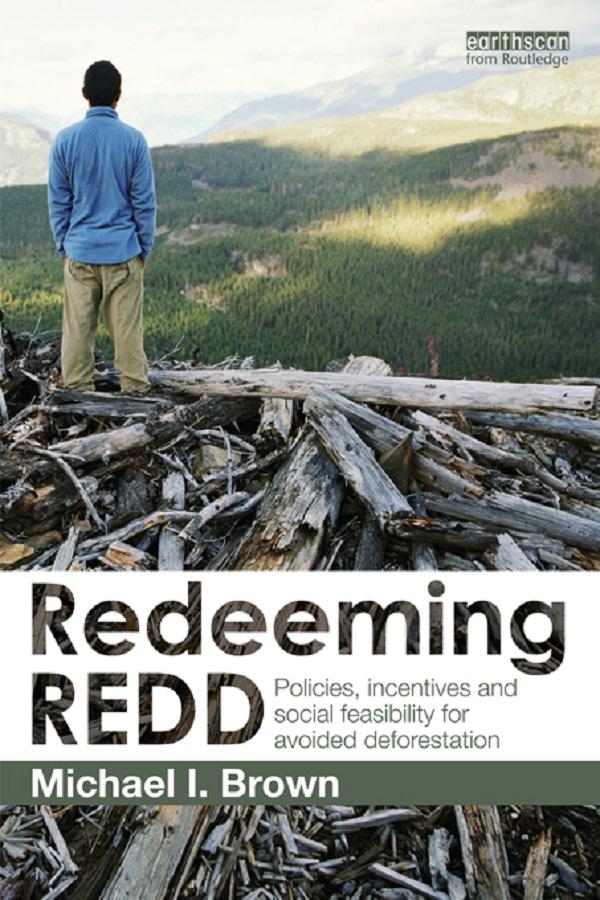
It is now well accepted that deforestation is a key source of greenhouse gas emissions and of climate change, with forests representing major sinks for carbon. As a result, public and private initiatives for reducing emissions from deforestation and forest degradation (REDD) have been widely endorsed by policy-makers. A key issue is the feasibility of carbon trading or other incentives to encourage land-owners and indigenous people, particularly in developing tropical countries, to conserve forests, rather than to cut them down for agricultural or other development purposes.
This book presents a major critique of the aims and policies of REDD as currently structured, particularly in terms of their social feasibility. It is shown how the claims to be able to reduce greenhouse gas emissions as well as enhance people's livelihoods and biodiversity conservation are unrealistic. There is a naive assumption that technical or economic fixes are sufficient for success. However, the social and governance aspects of REDD, and its enhanced version known as REDD+, are shown to be implausible. Instead to enhance REDD's prospects, the author provides a roadmap for developing a new social contract that puts people first.
Paga facilmente con carta, Klarna, Apple Pay o Google Pay. Non sei soddisfatto? Hai sempre 14 giorni per il rimborso. Leggi di più nei nostri termini. Per qualsiasi domanda, scrivici a hello@memmo.org.
Memmo rende lo studio più facile, ovunque tu sia nel mondo. Qui trovi i tuoi libri di testo e strumenti di studio intelligenti, tutto in un unico posto: riassunti, quiz, podcast e flashcard. E poi c'è Ted, il tuo compagno di studio che risponde a ogni tua domanda. Oltre 50.000 studenti studiano già qui: è stato creato per aiutarti a imparare più velocemente e a stressarti meno.