
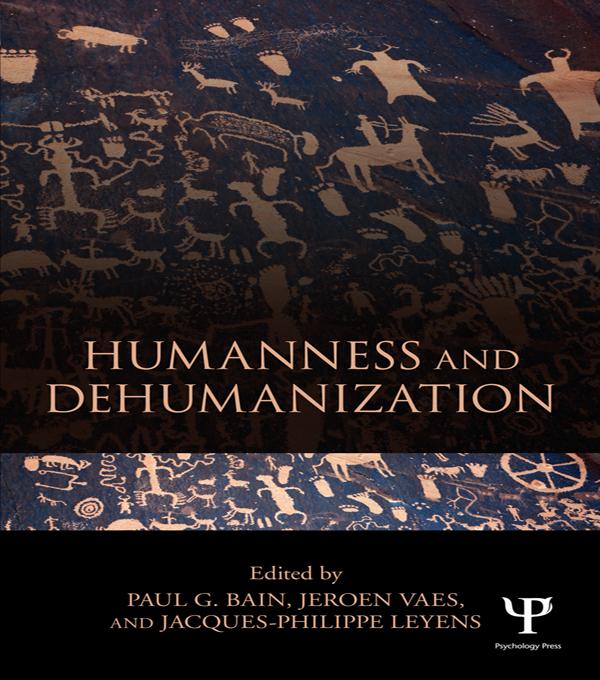
What does it mean to be human? Why do people dehumanize others (and sometimes themselves)? These questions have only recently begun to be investigated in earnest within psychology. This volume presents the latest thinking about these and related questions from research leaders in the field of humanness and dehumanization in social psychology and related disciplines. Contributions provide new insights into the history of dehumanization, its different types, and new theories are proposed for when and why dehumanization occurs. While people’s views about what humanness is, and who has it, have long been known as important in understanding ethnic conflict, contributors demonstrate its relevance in other domains, including medical practice, policing, gender relations, and our relationship with the natural environment. Cultural differences and similarities in beliefs about humanness are explored, along with strategies to overcome dehumanization.
In highlighting emerging ideas and theoretical perspectives, describing current theoretical issues and controversies and ways to resolve them, and in extending research to new areas, this volume will influence research on humanness and dehumanization for many years.
Paga facilmente con carta, Klarna, Apple Pay o Google Pay. Non sei soddisfatto? Hai sempre 14 giorni per il rimborso. Leggi di più nei nostri termini. Per qualsiasi domanda, scrivici a hello@memmo.org.
Memmo rende lo studio più facile, ovunque tu sia nel mondo. Qui trovi i tuoi libri di testo e strumenti di studio intelligenti, tutto in un unico posto: riassunti, quiz, podcast e flashcard. E poi c'è Ted, il tuo compagno di studio che risponde a ogni tua domanda. Oltre 50.000 studenti studiano già qui: è stato creato per aiutarti a imparare più velocemente e a stressarti meno.