
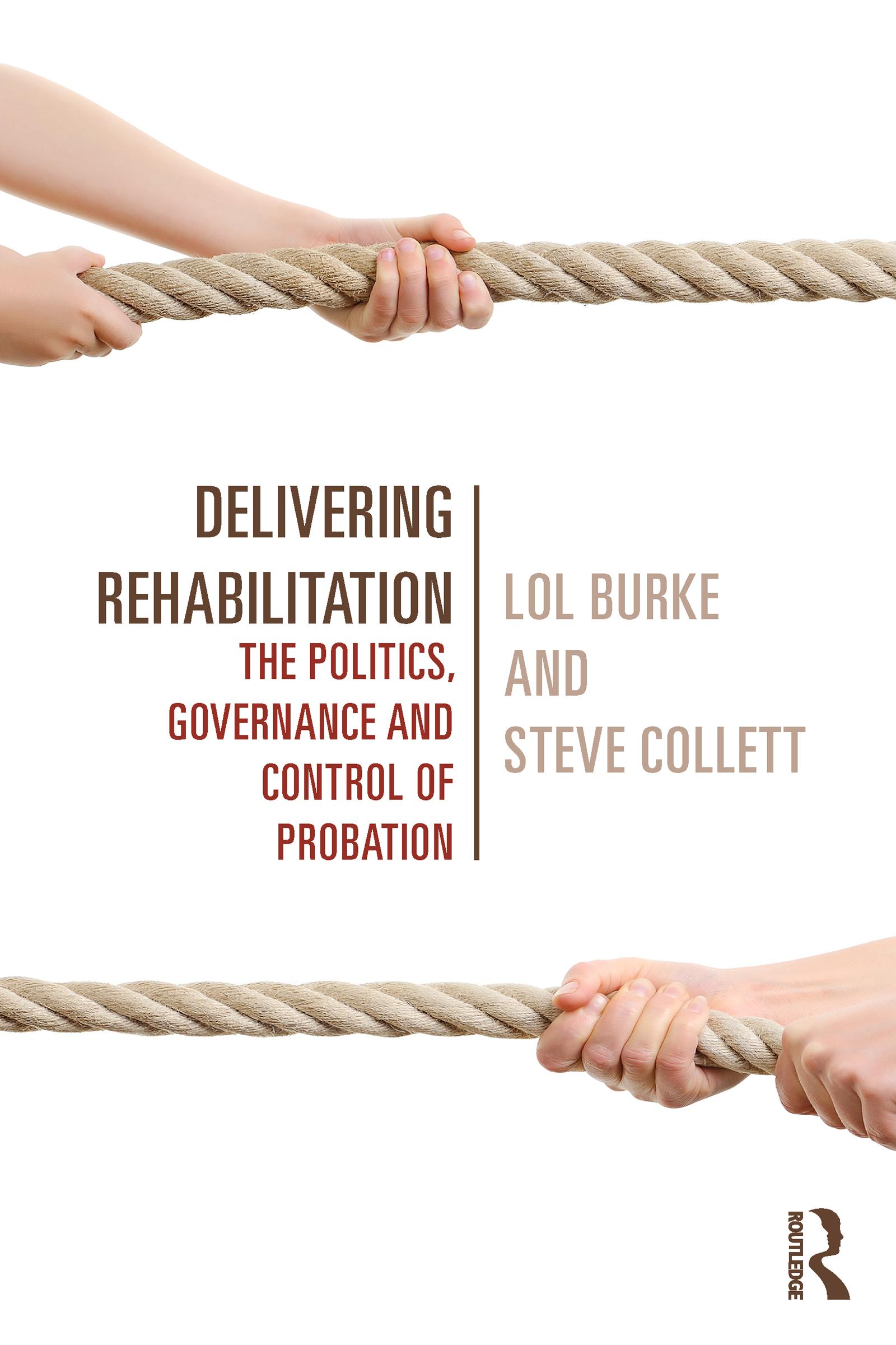
Do offenders have the right to be rehabilitated and should the state be responsible for their rehabilitation? Should the public expect punitive and coercive approaches to offender rehabilitation? Why should the state be interested in the reform of individuals and how can helping offenders be justified when there are other disadvantaged groups in society who are unable to access the services they desperately need? Finally, why does the state appear to target and criminalise certain groups and individuals and not others?
These are just some of the questions asked in this new text, which offers an analysis of the delivery of rehabilitative services to offenders over the past two decades. It focuses particularly on the ideological and political imperatives of a neoliberal state that intends to segment the work of the Probation Service and hand over the majority of its work to the private sector. Issues covered include:
- governance, politics and performance of probation,
- occupational culture and professional identity,
- markets, profit and delivery,
- partnership, localism and civil society,
- citizenship, exclusion and the State.
This book is aimed at academics, practitioners, managers and leaders within the field of corrections and wider social policy. It will also appeal to undergraduates and postgraduates specialising in criminal justice, criminology, politics and social policy.
Paga facilmente con carta, Klarna, Apple Pay o Google Pay. Non sei soddisfatto? Hai sempre 14 giorni per il rimborso. Leggi di più nei nostri termini. Per qualsiasi domanda, scrivici a hello@memmo.org.
Memmo rende lo studio più facile, ovunque tu sia nel mondo. Qui trovi i tuoi libri di testo e strumenti di studio intelligenti, tutto in un unico posto: riassunti, quiz, podcast e flashcard. E poi c'è Ted, il tuo compagno di studio che risponde a ogni tua domanda. Oltre 50.000 studenti studiano già qui: è stato creato per aiutarti a imparare più velocemente e a stressarti meno.