
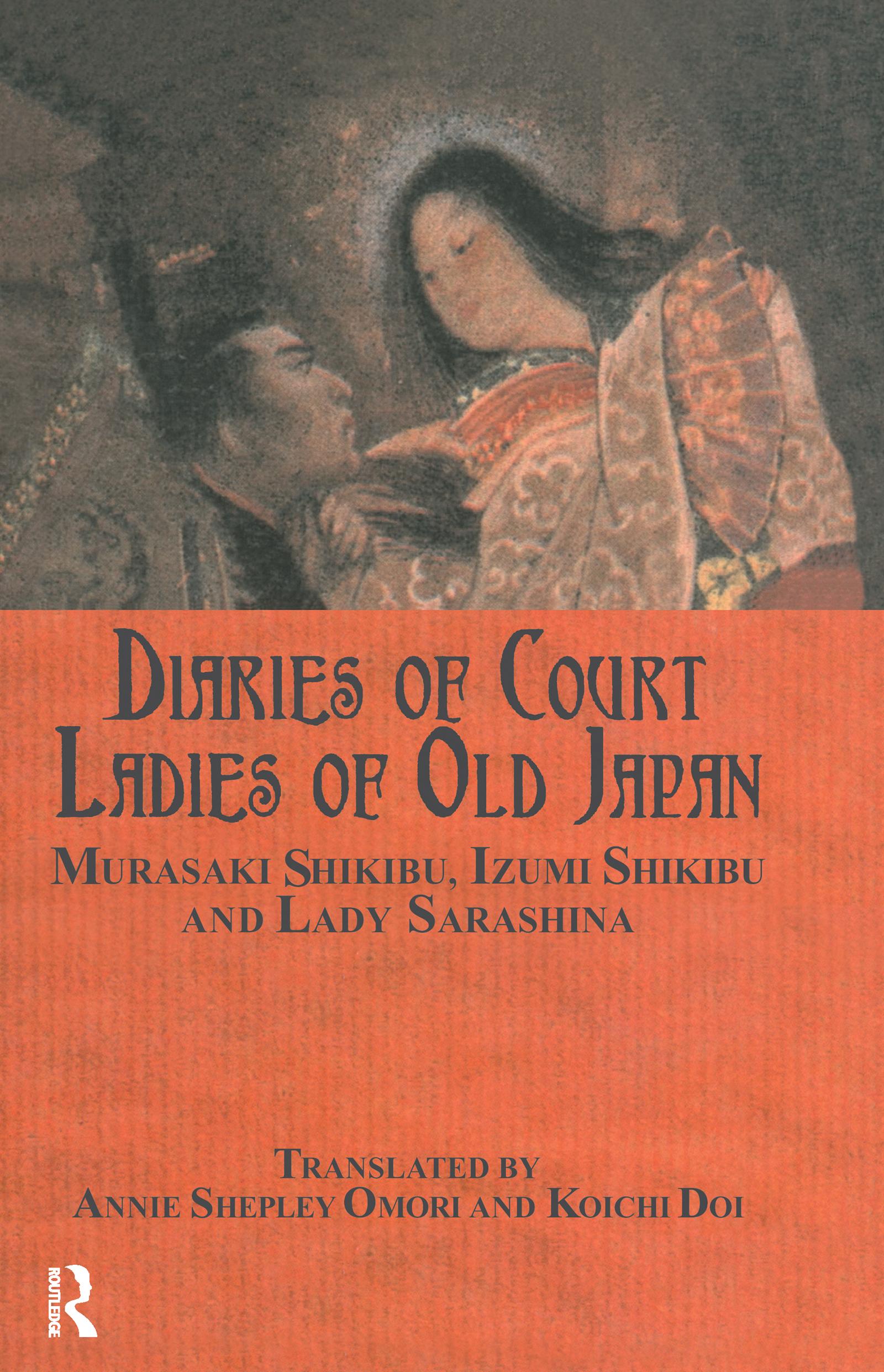
The Heian period (794-1186AD) of Japanese history - the setting of The Tale of Genji - was an era of unsurpassed refinement in art and literature, in which women played a unique role. Dominated by the mighty Fujiwara clan, the Japanese court was the bright centre of a world in which rare and exquisite taste in poetry, art, calligraphy, dress, incense, colour, even the selection of gifts, was cultivated to an amazing degree. This gossamer veil of beauty masked another reality of political intrigue and passionate rivalries which intensified the heady atmosphere of a court in which flirtations and love affairs were endemic. Cultivated and artistic women held a privileged position at court, and they perfected the literary genre of diaries that combined subtlety, strength and starkness in their depictions of life in this enclosed and dream-like world. These diaries are among the jewels of Japanese literature and three are presented here - The Sarashina Diary, the Diary of Izumi Shikibu and the Diary of Murasaki Shikibu - with an introduction by the poet Amy Lowell, an early admirer of Japanese literature.
Paga facilmente con carta, Klarna, Apple Pay o Google Pay. Non sei soddisfatto? Hai sempre 14 giorni per il rimborso. Leggi di più nei nostri termini. Per qualsiasi domanda, scrivici a hello@memmo.org.
Memmo rende lo studio più facile, ovunque tu sia nel mondo. Qui trovi i tuoi libri di testo e strumenti di studio intelligenti, tutto in un unico posto: riassunti, quiz, podcast e flashcard. E poi c'è Ted, il tuo compagno di studio che risponde a ogni tua domanda. Oltre 50.000 studenti studiano già qui: è stato creato per aiutarti a imparare più velocemente e a stressarti meno.