
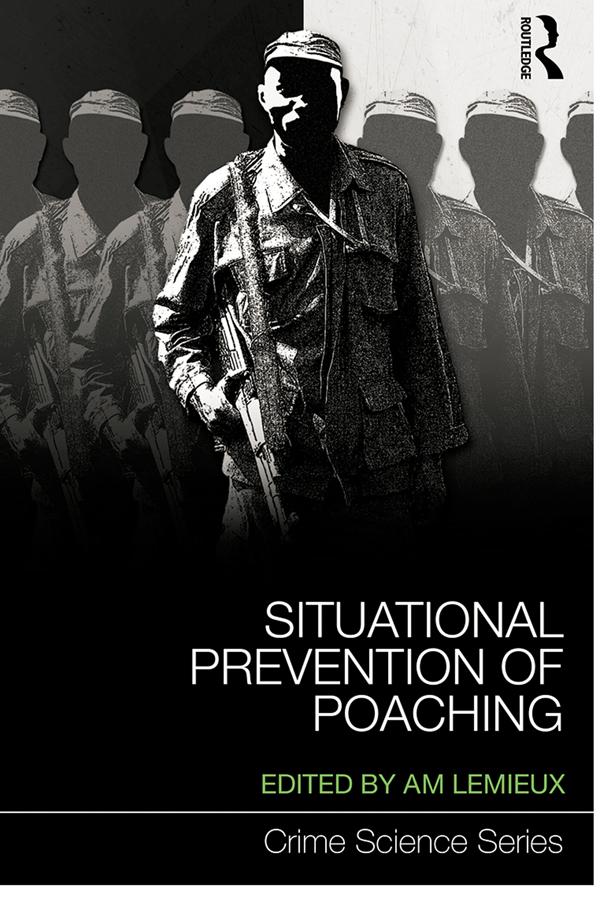
For centuries, criminologists have looked for scientific ways to study, understand, and ultimately prevent crime. In this volume, a unique offense, poaching, is explored in various contexts to determine what opportunity structures favor this crime and how situational crime prevention may reduce its prevalence. The data sources used range from publically available secondary data about animal populations, to interviews with hunters, to actual law enforcement data collected inside protected areas. Various methods are utilized to look for patterns in poaching behaviour regarding where poachers strike, which species they target and their modus operandi.
Collectively, the volume shows that principles of criminal opportunity theory and situational crime prevention are useful for studying and preventing poaching in a variety of contexts. The methods employed by each chapter are easily replicated and meant to stimulate empirical poaching research where data is available. While the theoretical grounding of this volume is drawn from criminology, it is written for a broad audience of academics, practitioners and those interested in wildlife conservation.
Paga facilmente con carta, Klarna, Apple Pay o Google Pay. Non sei soddisfatto? Hai sempre 14 giorni per il rimborso. Leggi di più nei nostri termini. Per qualsiasi domanda, scrivici a hello@memmo.org.
Memmo rende lo studio più facile, ovunque tu sia nel mondo. Qui trovi i tuoi libri di testo e strumenti di studio intelligenti, tutto in un unico posto: riassunti, quiz, podcast e flashcard. E poi c'è Ted, il tuo compagno di studio che risponde a ogni tua domanda. Oltre 50.000 studenti studiano già qui: è stato creato per aiutarti a imparare più velocemente e a stressarti meno.