
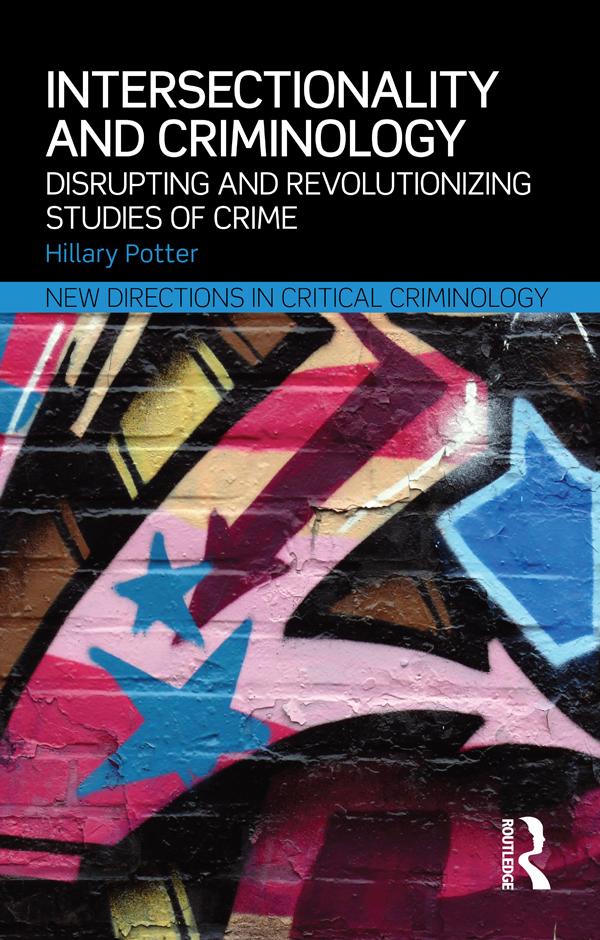
The use of intersectionality theory in the social sciences has proliferated in the past several years, putting forward the argument that the interconnected identities of individuals, and the way these identities are perceived and responded to by others, must be a necessary part of any analysis. Fundamentally, intersectionality claims that not only are people’s lived experiences affected by their racial identity and by their gender identity, but that these identities, and others, continually operate together and affect each other.
With "official" statistical data that indicate people of Color have higher offending and victimization rates than White people, and with the overrepresentation of men and people of Color in the criminal legal system, new theories are required that address these phenomena and that are devoid of stereotypical or debasing underpinnings.
Intersectionality and Criminology provides a comprehensive review of the need for, and use of, intersectionality in the study of crime, criminality, and the criminal legal system. This is essential reading for academics and students researching and studying in the fields of crime, criminal justice, theoretical criminology, and gender, race, and socioeconomic class.
Paga facilmente con carta, Klarna, Apple Pay o Google Pay. Non sei soddisfatto? Hai sempre 14 giorni per il rimborso. Leggi di più nei nostri termini. Per qualsiasi domanda, scrivici a hello@memmo.org.
Memmo rende lo studio più facile, ovunque tu sia nel mondo. Qui trovi i tuoi libri di testo e strumenti di studio intelligenti, tutto in un unico posto: riassunti, quiz, podcast e flashcard. E poi c'è Ted, il tuo compagno di studio che risponde a ogni tua domanda. Oltre 50.000 studenti studiano già qui: è stato creato per aiutarti a imparare più velocemente e a stressarti meno.