
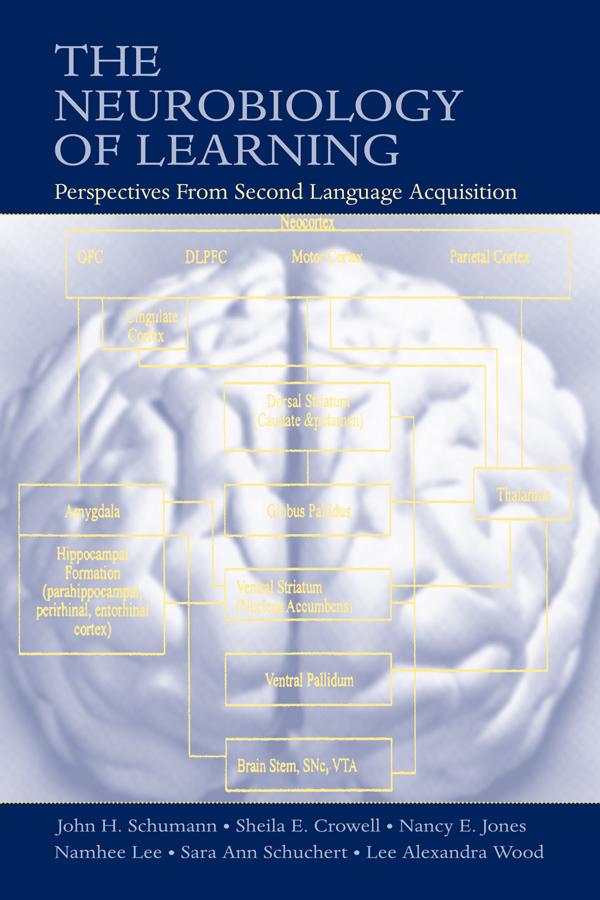
This book constitutes a timely contribution to the existing literature by presenting a relatively comprehensive, neurobiological account of certain aspects of second language acquisition. It represents the collaborative efforts of members of the Neurobiology of Language Research Group in the Applied Linguistics and TESL Department at UCLA. Members of the group are trained in neurobiology and then use this knowledge to develop biological accounts of various aspects of applied linguistics.
The volume avoids the corticocentric bias that characterizes many brain-language publications--both cortical and subcortical structures receive their appropriate attention. In addition, it demonstrates that enough is presently known about the brain to inform our conceptualizations of how humans acquire second languages, thus, it provides a refreshingly novel, highly integrative contribution to the (second) language acquisition literature.
The goal of the research program was based on the need to draw more links between the neurobiological mechanisms and second language acquisition. As such, the book promotes a neurobiology of language that starts with the brain and moves to behavior. The fundamental insights presented should guide second language acquisition researchers for years to come.
Paga facilmente con carta, Klarna, Apple Pay o Google Pay. Non sei soddisfatto? Hai sempre 14 giorni per il rimborso. Leggi di più nei nostri termini. Per qualsiasi domanda, scrivici a hello@memmo.org.
Memmo rende lo studio più facile, ovunque tu sia nel mondo. Qui trovi i tuoi libri di testo e strumenti di studio intelligenti, tutto in un unico posto: riassunti, quiz, podcast e flashcard. E poi c'è Ted, il tuo compagno di studio che risponde a ogni tua domanda. Oltre 50.000 studenti studiano già qui: è stato creato per aiutarti a imparare più velocemente e a stressarti meno.