
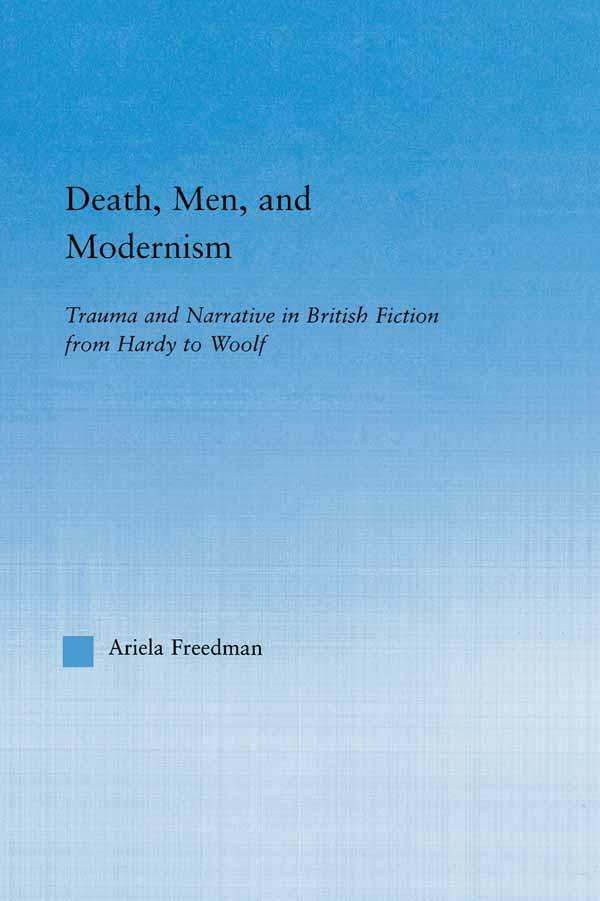
Death, Men and Modernism argues that the figure of the dead man becomes a locus of attention and a symptom of crisis in British writing of the early to mid-twentieth century. While Victorian writers used dying women to dramatize aesthetic, structural, and historical concerns, modernist novelists turned to the figure of the dying man to exemplify concerns about both masculinity and modernity. Along with their representations of death, these novelists developed new narrative techniques to make the trauma they depicted palpable. Contrary to modernist genealogies, the emergence of the figure of the dead man in texts as early as Thomas Hardy's Jude theObscure suggests that World War I intensified-but did not cause-these anxieties. This book elaborates a nodal point which links death, masculinity, and modernity long before the events of World War I.
Paga facilmente con carta, Klarna, Apple Pay o Google Pay. Non sei soddisfatto? Hai sempre 14 giorni per il rimborso. Leggi di più nei nostri termini. Per qualsiasi domanda, scrivici a hello@memmo.org.
Memmo rende lo studio più facile, ovunque tu sia nel mondo. Qui trovi i tuoi libri di testo e strumenti di studio intelligenti, tutto in un unico posto: riassunti, quiz, podcast e flashcard. E poi c'è Ted, il tuo compagno di studio che risponde a ogni tua domanda. Oltre 50.000 studenti studiano già qui: è stato creato per aiutarti a imparare più velocemente e a stressarti meno.