
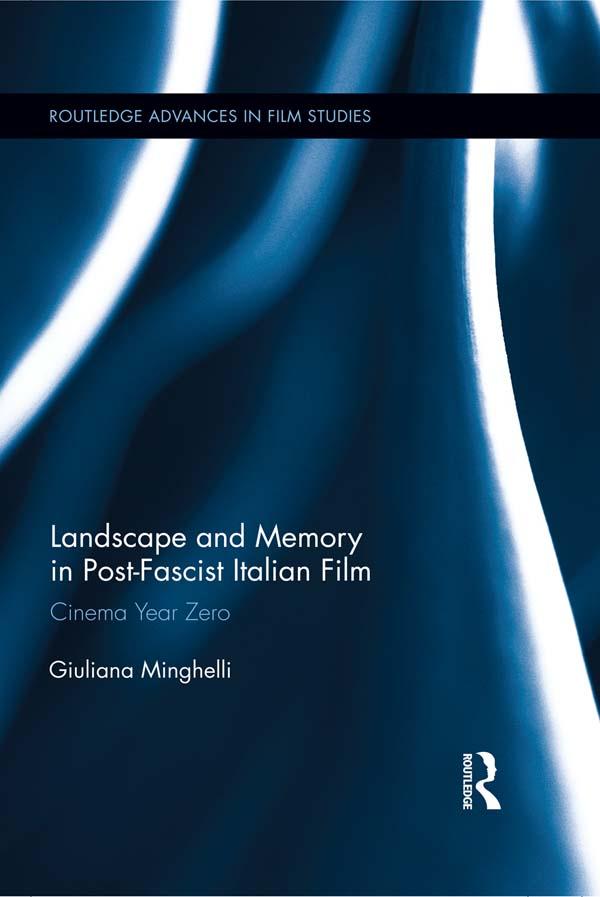
This study argues that neorealism’s visual genius is inseparable from its almost invisible relation to the Fascist past: a connection inscribed in cinematic landscapes. While largely a silent narrative, neorealism’s complex visual processing of two decades of Fascism remains the greatest cultural production in the service of memorialization and comprehension for a nation that had neither a Nuremberg nor a formal process of reconciliation. Through her readings of canonical neorealist films, Minghelli unearths the memorial strata of the neorealist image and investigates the complex historical charge that invests this cinema. This book is both a formal analysis of the new conception of the cinematic image born from a crisis of memory, and a reflection on the relation between cinema and memory. Films discussed include Ossessione (1943) Paisà (1946), Ladri di biciclette (1948), and Cronaca di un amore (1950).
Paga facilmente con carta, Klarna, Apple Pay o Google Pay. Non sei soddisfatto? Hai sempre 14 giorni per il rimborso. Leggi di più nei nostri termini. Per qualsiasi domanda, scrivici a hello@memmo.org.
Memmo rende lo studio più facile, ovunque tu sia nel mondo. Qui trovi i tuoi libri di testo e strumenti di studio intelligenti, tutto in un unico posto: riassunti, quiz, podcast e flashcard. E poi c'è Ted, il tuo compagno di studio che risponde a ogni tua domanda. Oltre 50.000 studenti studiano già qui: è stato creato per aiutarti a imparare più velocemente e a stressarti meno.