
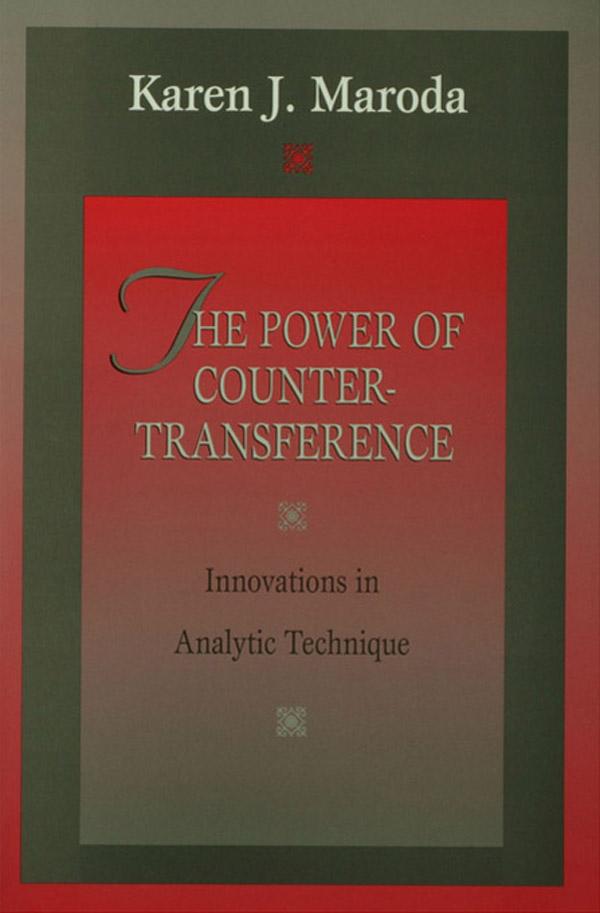
A signpost of the relational turn in contemporary psychoanalysis, Karen Maroda's The Power of Countertransference, published in 1991, is perhaps the first systematic effort to integrate the need for mutual emotional exchanges, which may include the analyst's own self-disclosures, into an interactive model of psychoanalytic practice. Maroda's call for emotional honesty and affective self-disclosure had an immediate impact on the field and led Harold Searles to comment, "If we follow the example set by Maroda, we shall be minimally likely to 'act in' our emotions in our sessions with our patients. They will benefit greatly as a result; we practitioners shall benefit; and the profession of psychoanalysis and psychoanalytic therapy will become healthier and stronger than it is at present." This revised edition includes a new Foreword by Lewis Aron and an Afterword in which Maroda clarifies her own position and comments on the evolution of psychoanalytic technique since the publication of The Power of Countertransference.
Paga facilmente con carta, Klarna, Apple Pay o Google Pay. Non sei soddisfatto? Hai sempre 14 giorni per il rimborso. Leggi di più nei nostri termini. Per qualsiasi domanda, scrivici a hello@memmo.org.
Memmo rende lo studio più facile, ovunque tu sia nel mondo. Qui trovi i tuoi libri di testo e strumenti di studio intelligenti, tutto in un unico posto: riassunti, quiz, podcast e flashcard. E poi c'è Ted, il tuo compagno di studio che risponde a ogni tua domanda. Oltre 50.000 studenti studiano già qui: è stato creato per aiutarti a imparare più velocemente e a stressarti meno.