
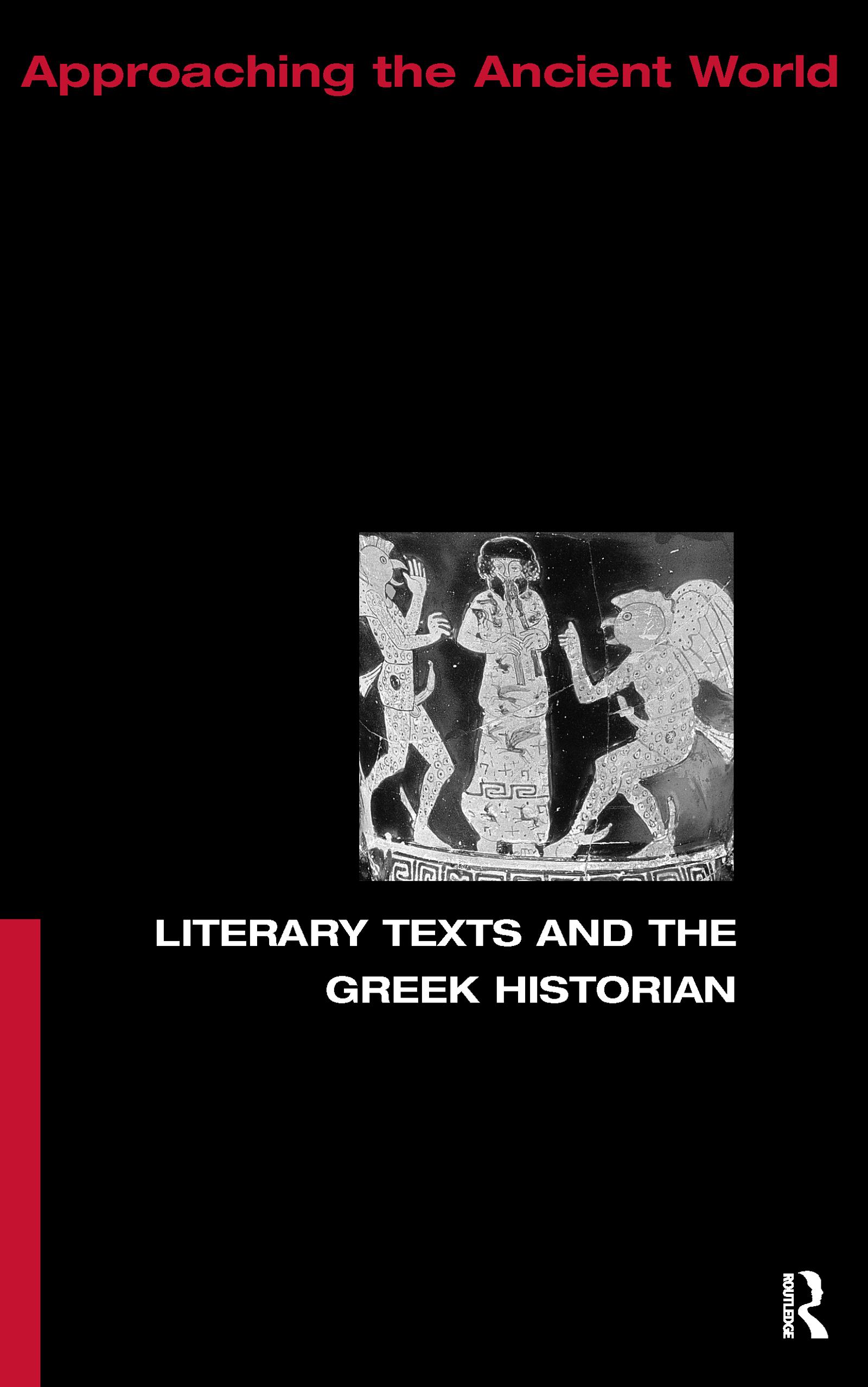
Our knowledge of Greek history rests largely on literary texts - not merely historians (especially Herodotus, Thucylides and Xenephon), but also tragedies, comedies, speeches, biographies and philosophical works. These texts are themselves among the most skilled and highly wrought productions of a brilliant rhetorical culture. How is the historian to use them? This book addresses this problem by taking a series of extended test-cases, and discussing how we should and should not try to exploit the texts. In some instances we can investigate 'what really happened', and the ways in which the texts manipulate, remould, or colour it according to their own rhetorical strategies; in others the most illuminating aspect may be those strategies themselves, and what they tell us about the culture - how it figured questions of sex and gender, politics, citizenship and the city, the law and the courts and how wars happen. Literary Texts and the Greek Historian concentrates on Athens in the second half of the fifth-century, when many of the principal genres came together, but includes some examples from earlier (Aeschylus ^Oresteia>) and later (including Aristotles poetics). Literary Texts and the Greek Historian examines the range of responses to these texts and suggests new ways in which literary criticism can illuminate the society from which these texts sprang.
Paga facilmente con carta, Klarna, Apple Pay o Google Pay. Non sei soddisfatto? Hai sempre 14 giorni per il rimborso. Leggi di più nei nostri termini. Per qualsiasi domanda, scrivici a hello@memmo.org.
Memmo rende lo studio più facile, ovunque tu sia nel mondo. Qui trovi i tuoi libri di testo e strumenti di studio intelligenti, tutto in un unico posto: riassunti, quiz, podcast e flashcard. E poi c'è Ted, il tuo compagno di studio che risponde a ogni tua domanda. Oltre 50.000 studenti studiano già qui: è stato creato per aiutarti a imparare più velocemente e a stressarti meno.
Potrebbe interessarti anche
Acquista il libro0