
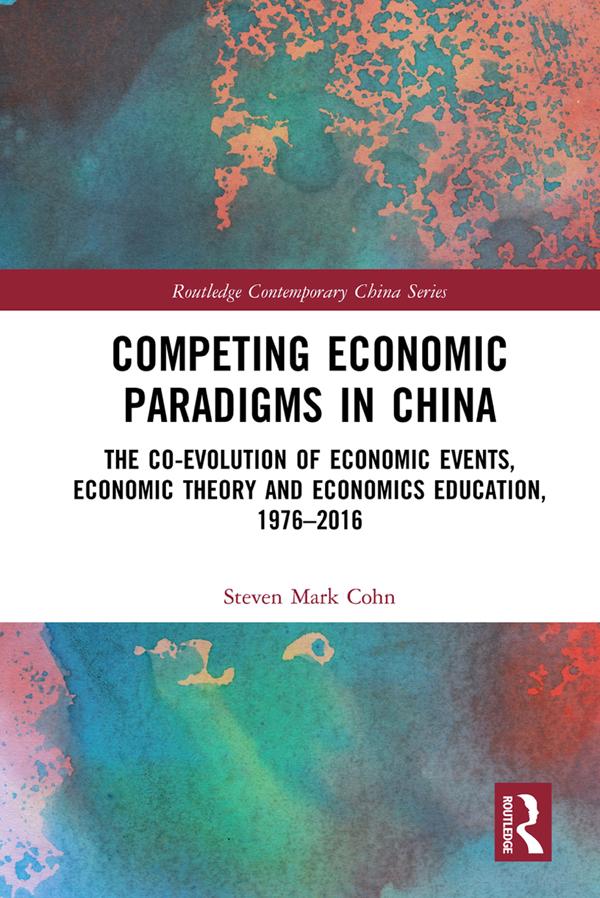
When the Chinese economic reforms began in 1978, Marxist economics infused all the institutions of economic theory in China, from academic departments and economics journals to government departments and economic think tanks. By the year 2000, neoclassical economics dominated these institutions and organized most economic discussion. This book explains how and why neoclassical economic theory replaced Marxist economic theory as the dominant economics paradigm in China. It rejects the idea that the rise of neoclassical theory was a triumph of reason over ideology, and instead, using a sociology of knowledge approach, links the rise of neoclassical economics to broad ideological currents and to the political-economic projects that key social groups inside and outside China wanted to enable. The book concludes with a discussion of the nature of economic theory and economics education in China today.
Paga facilmente con carta, Klarna, Apple Pay o Google Pay. Non sei soddisfatto? Hai sempre 14 giorni per il rimborso. Leggi di più nei nostri termini. Per qualsiasi domanda, scrivici a hello@memmo.org.
Memmo rende lo studio più facile, ovunque tu sia nel mondo. Qui trovi i tuoi libri di testo e strumenti di studio intelligenti, tutto in un unico posto: riassunti, quiz, podcast e flashcard. E poi c'è Ted, il tuo compagno di studio che risponde a ogni tua domanda. Oltre 50.000 studenti studiano già qui: è stato creato per aiutarti a imparare più velocemente e a stressarti meno.
Potrebbe interessarti anche
Acquista il libro0