
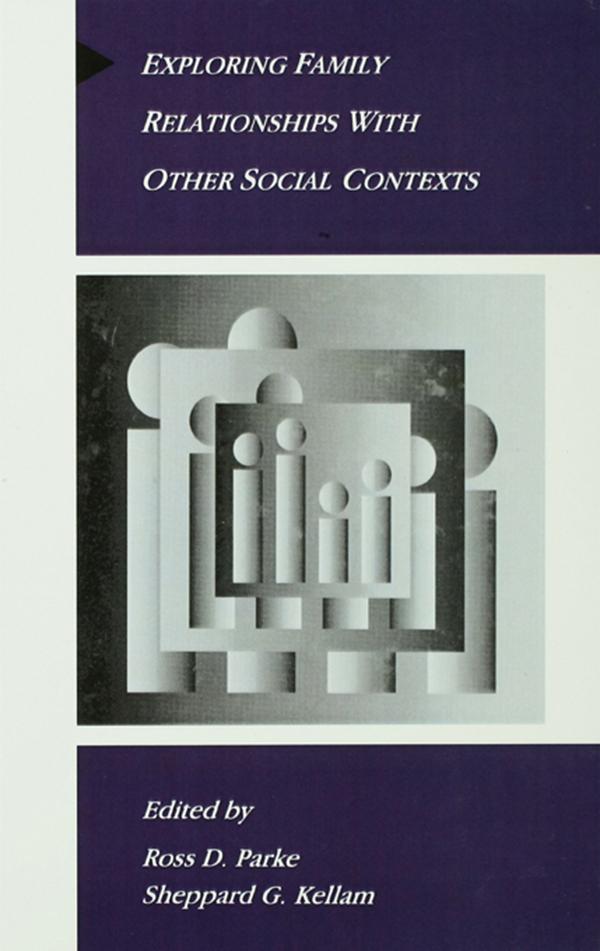
In the 1990s it is no longer "news" that families do not operate independently from other social organizations and institutions. Instead, it is generally recognized that families are embedded in a complex set of relationships with other institutions and contexts outside the family. In spite of this recognition, a great deal remains to be discovered about the ways in which families are influenced by these outside agencies or how families influence the functioning of children and adults in these extra-familial settings--school, work, day-care, or peer group contexts. Moreover, little is known about the nature of the processes that account for this mutual influence between families and other societal institutions and settings. The goal of this volume is to present examples from a series of ongoing research programs that are beginning to provide some tentative answers to these questions.
The result of a summer workshop characterized by lively exchanges not only between speakers and the audience, but among participants in small group discussions as well, this volume attempts to communicate some of the dynamism and excitement that was evident at the conference. In the final analysis, this book should stimulate further theoretical and empirical advances in understanding how families relate to other contexts.
Paga facilmente con carta, Klarna, Apple Pay o Google Pay. Non sei soddisfatto? Hai sempre 14 giorni per il rimborso. Leggi di più nei nostri termini. Per qualsiasi domanda, scrivici a hello@memmo.org.
Memmo rende lo studio più facile, ovunque tu sia nel mondo. Qui trovi i tuoi libri di testo e strumenti di studio intelligenti, tutto in un unico posto: riassunti, quiz, podcast e flashcard. E poi c'è Ted, il tuo compagno di studio che risponde a ogni tua domanda. Oltre 50.000 studenti studiano già qui: è stato creato per aiutarti a imparare più velocemente e a stressarti meno.