
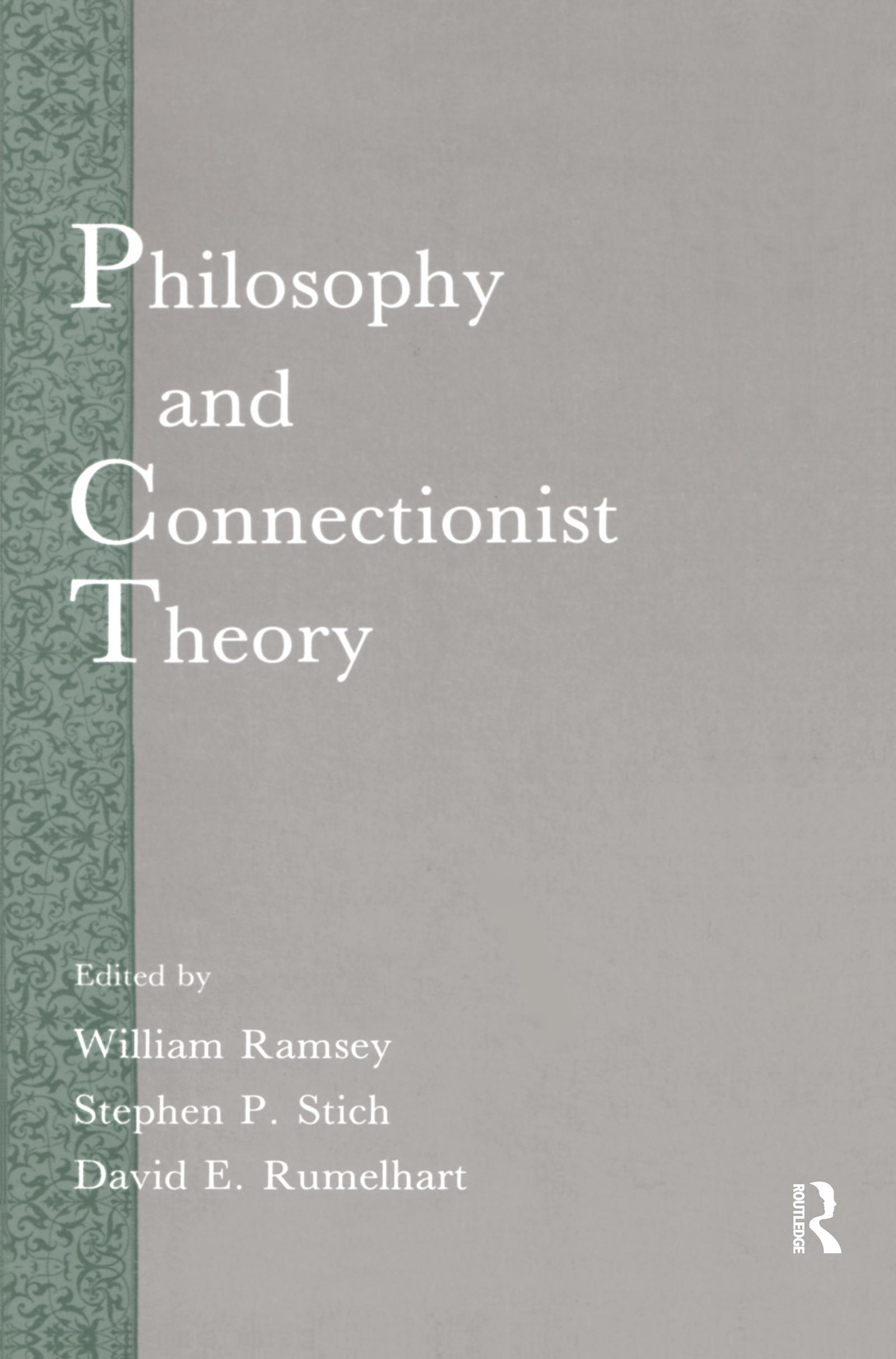
The philosophy of cognitive science has recently become one of the most exciting and fastest growing domains of philosophical inquiry and analysis. Until the early 1980s, nearly all of the models developed treated cognitive processes -- like problem solving, language comprehension, memory, and higher visual processing -- as rule-governed symbol manipulation. However, this situation has changed dramatically over the last half dozen years. In that period there has been an enormous shift of attention toward connectionist models of cognition that are inspired by the network-like architecture of the brain. Because of their unique architecture and style of processing, connectionist systems are generally regarded as radically different from the more traditional symbol manipulation models.
This collection was designed to provide philosophers who have been working in the area of cognitive science with a forum for expressing their views on these recent developments. Because the symbol-manipulating paradigm has been so important to the work of contemporary philosophers, many have watched the emergence of connectionism with considerable interest. The contributors take very different stands toward connectionism, but all agree that the potential exists for a radical shift in the way many philosophers think of various aspects of cognition. Exploring this potential and other philosophical dimensions of connectionist research is the aim of this volume.
Paga facilmente con carta, Klarna, Apple Pay o Google Pay. Non sei soddisfatto? Hai sempre 14 giorni per il rimborso. Leggi di più nei nostri termini. Per qualsiasi domanda, scrivici a hello@memmo.org.
Memmo rende lo studio più facile, ovunque tu sia nel mondo. Qui trovi i tuoi libri di testo e strumenti di studio intelligenti, tutto in un unico posto: riassunti, quiz, podcast e flashcard. E poi c'è Ted, il tuo compagno di studio che risponde a ogni tua domanda. Oltre 50.000 studenti studiano già qui: è stato creato per aiutarti a imparare più velocemente e a stressarti meno.