
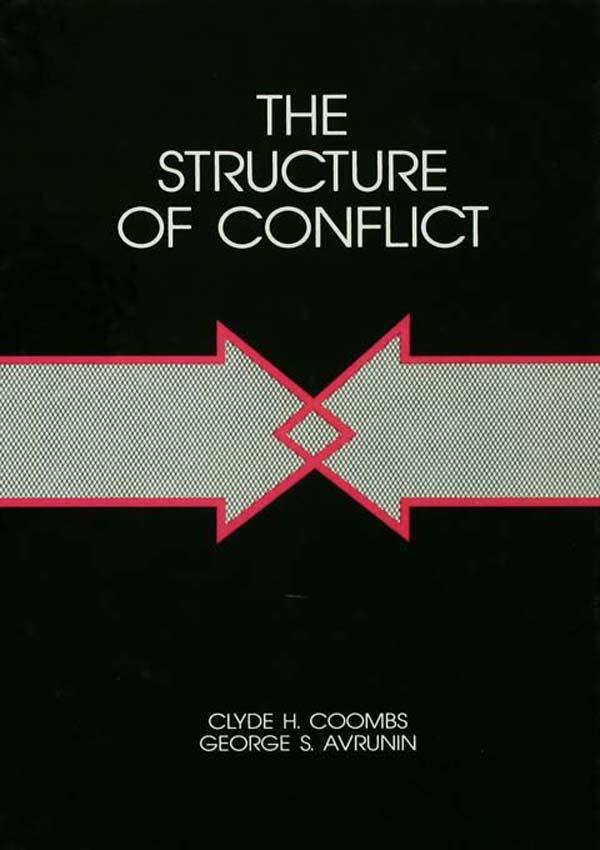
A theory that attempts to bring order to the chaotic variety of conflict usually begins by distinguishing types of conflict and formulating general explanatory principles that relate and integrate them. In contrast to traditional methods, this book describes and explores the structural aspects of different types of conflicts, and discusses the important implications involved for both choosing and achieving methods for resolving conflict. Two important facets of conflict structure are recognized: the individuals involved and the behavioral principles that govern them; and the existence of options and their structural relation.
This monograph will be of interest to researchers and practitioners of conflict resolution, such as mediators, lawyers, diplomats, counselors and psychologists, and students in experimental and social psychology, labor relations, poilitical science and law.
Paga facilmente con carta, Klarna, Apple Pay o Google Pay. Non sei soddisfatto? Hai sempre 14 giorni per il rimborso. Leggi di più nei nostri termini. Per qualsiasi domanda, scrivici a hello@memmo.org.
Memmo rende lo studio più facile, ovunque tu sia nel mondo. Qui trovi i tuoi libri di testo e strumenti di studio intelligenti, tutto in un unico posto: riassunti, quiz, podcast e flashcard. E poi c'è Ted, il tuo compagno di studio che risponde a ogni tua domanda. Oltre 50.000 studenti studiano già qui: è stato creato per aiutarti a imparare più velocemente e a stressarti meno.