
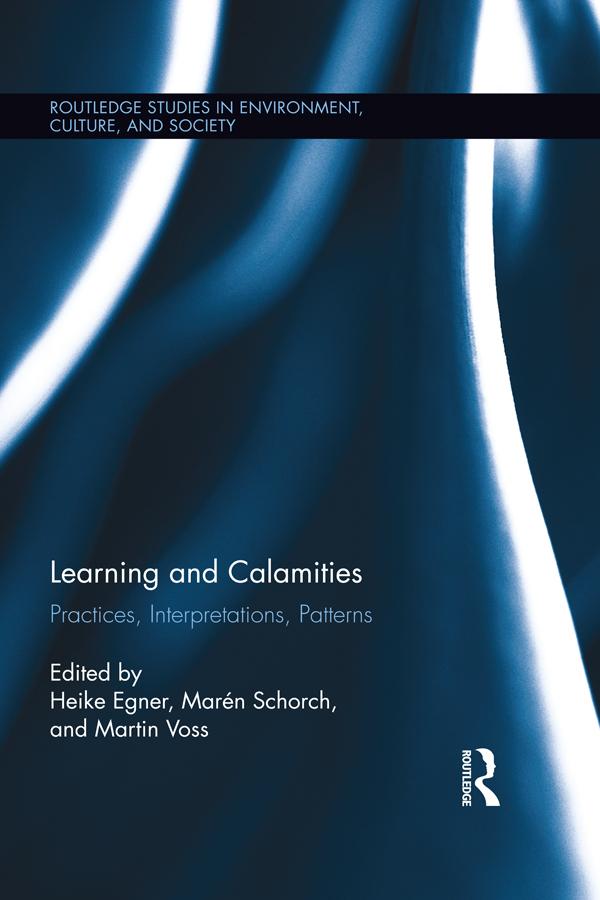
It is widely assumed that humanity should be able to learn from calamities (e.g., emergencies, disasters, catastrophes) and that the affected individuals, groups, and enterprises, as well as the concerned (disaster-) management organizations and institutions for prevention and mitigation, will be able to be better prepared or more efficient next time. Furthermore, it is often assumed that the results of these learning processes are preserved as "knowledge" in the collective memory of a society, and that patterns of practices were adopted on this base. Within history, there is more evidence for the opposite: Analyzing past calamities reveals that there is hardly any learning and, if so, that it rarely lasts more than one or two generations. This book explores whether learning in the context of calamities happens at all, and if learning takes place, under which conditions it can be achieved and what would be required to ensure that learned cognitive and practical knowledge will endure on a societal level. The contributions of this book include various fields of scientific research: history, sociology, geography, psychoanalysis, psychiatry, development studies and political studies, as well as disaster research and disaster risk reduction research.
Paga facilmente con carta, Klarna, Apple Pay o Google Pay. Non sei soddisfatto? Hai sempre 14 giorni per il rimborso. Leggi di più nei nostri termini. Per qualsiasi domanda, scrivici a hello@memmo.org.
Memmo rende lo studio più facile, ovunque tu sia nel mondo. Qui trovi i tuoi libri di testo e strumenti di studio intelligenti, tutto in un unico posto: riassunti, quiz, podcast e flashcard. E poi c'è Ted, il tuo compagno di studio che risponde a ogni tua domanda. Oltre 50.000 studenti studiano già qui: è stato creato per aiutarti a imparare più velocemente e a stressarti meno.